
Netanyahu vows to maintain Israel’s security zone in Lebanon indefinitely
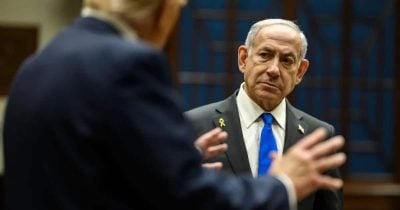
Israeli Prime Minister Netanyahu has declared Israel's intention to maintain a security zone in Lebanon indefinitely, a stance that could perpetuate regional instability and reduce prospects for peace agreements with Hezbollah. This hardline position signals prolonged geopolitical tension in the Middle East, which historically correlates with cryptocurrency market volatility and risk-asset repositioning.
Netanyahu's declaration to maintain an indefinite security presence in Lebanon represents an escalation of Israel's military posture in the region. The statement signals that any ceasefire agreement will likely be temporary or conditional, with Israel retaining strategic control over Lebanese territory. This approach reflects deeper security concerns but simultaneously signals to international markets that de-escalation timelines are extended, not imminent.
The historical context shows that Israeli-Hezbollah conflicts have repeatedly triggered broader Middle Eastern instability. Previous confrontations have spurred oil price volatility, capital flight from emerging markets, and safe-haven demand for assets like gold, Bitcoin, and U.S. Treasury bonds. Netanyahu's indefinite security zone stance suggests this cycle will continue longer than markets anticipated, particularly if international diplomatic efforts fail to produce binding agreements.
Cryptocurrency markets typically respond to geopolitical uncertainty through increased volatility and risk-off sentiment. Investors historically shift allocations toward defensive cryptocurrencies like Bitcoin during Middle East tensions, while growth-oriented altcoins face selling pressure. Risk premiums on emerging-market-exposed assets increase as institutional investors reassess exposure to unstable regions. Additionally, sanctions potential—if the conflict escalates—could impact blockchain platforms facilitating transactions with sanctioned entities.
Traders should monitor developments in Israeli-Hezbollah negotiations, international diplomatic interventions, and rhetoric shifts. Any escalation announcements typically precede market corrections in risk assets. The prolonged uncertainty Netanyahu's statement creates may sustain elevated Bitcoin premiums relative to equity markets over coming quarters.
- →Netanyahu's indefinite security zone commitment signals extended regional instability rather than near-term peace resolution
- →Historical Middle East tensions correlate with Bitcoin appreciation and risk-asset volatility
- →Prolonged geopolitical uncertainty typically increases safe-haven demand for defensive cryptocurrencies
- →Escalation risks could trigger sanctions that impact blockchain platforms and crypto market participants
- →Market participants should monitor diplomatic developments as key catalysts for crypto asset repricing