
Netanyahu’s military push strains US-Israel ties, dims ceasefire hopes
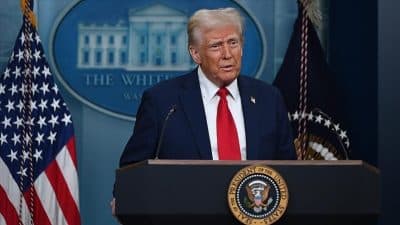
Netanyahu's escalating military operations are straining US-Israel diplomatic relations and undermining ceasefire negotiations, with potential consequences for regional stability and international alliances. The Israeli leadership's actions risk prolonging the conflict rather than resolving it through diplomatic channels.
Netanyahu's military strategy represents a critical juncture in Middle Eastern geopolitics with significant ripple effects across global markets. The Israeli Prime Minister's continued military escalation contradicts stated ceasefire objectives, creating friction with the United States—Israel's primary security and economic partner. This dynamic reflects a fundamental disagreement between Washington's diplomatic priorities and Jerusalem's security doctrine, signaling that political pressure alone may not constrain military operations in the region.
Historically, US-Israel tensions have emerged during military campaigns where civilian impacts raise international concern. This pattern intensifies when American administrations emphasize negotiated settlements while Israeli leadership prioritizes military objectives. The current situation echoes previous standoffs that strained the alliance, though geopolitical realignment and strategic interests have shifted the calculus for both nations.
For investors and markets, geopolitical instability in the Middle East traditionally correlates with oil price volatility, risk-asset depreciation, and flight-to-safety dynamics that benefit bonds and gold. Extended conflict reduces confidence in regional stability, potentially affecting technology investments, supply chains, and international trade flows. Cryptocurrency markets may experience increased volatility as macro risk premiums adjust to elevated geopolitical uncertainty.
Moving forward, the trajectory depends on whether diplomatic channels reopen or military escalation continues. Investors should monitor statements from US officials regarding military aid conditionality, any emergency UN Security Council sessions, and broader Middle Eastern policy shifts. These indicators will signal whether the alliance tensions resolve or deepen, which directly influences risk appetite in global markets.
- →Netanyahu's military operations are creating diplomatic friction with the United States, threatening the strategic alliance.
- →Ceasefire prospects have diminished as military objectives take priority over negotiated settlements.
- →Prolonged conflict risks regional destabilization affecting international alliances and trade dynamics.
- →Geopolitical instability typically triggers oil volatility and increased safe-haven asset demand.
- →Investors should monitor US military aid policy and diplomatic developments as key risk indicators.