
Netanyahu calls Iran conflict a “war of civilization” amid political survival bid
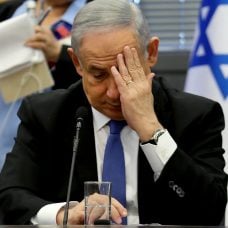
Israeli Prime Minister Netanyahu has characterized the Iran conflict as a "war of civilization," a rhetorical escalation that analysts suggest serves his domestic political interests amid ongoing legal and political challenges. The framing risks intensifying regional tensions and prolonging instability in the Middle East.
Netanyahu's characterization of the Iran conflict as a civilizational struggle represents a significant rhetorical escalation with potential geopolitical consequences. By framing the dispute in existential rather than diplomatic terms, the Prime Minister elevates the conflict's perceived stakes and rallies domestic political support during a period of personal and political vulnerability. This strategy aligns with a broader pattern where leaders invoke security threats to consolidate power and shift public attention from internal challenges.
The timing of this rhetoric reflects Netanyahu's precarious political position, facing corruption allegations and internal coalition pressures. By invoking civilizational conflict, he appeals to nationalist sentiment and positions himself as the essential leader capable of defending Israel against existential threats. This approach has historical precedent in Middle Eastern politics, where security narratives frequently serve dual purposes: addressing genuine security concerns while simultaneously providing political cover for domestic actors.
From a market perspective, escalating Iran-Israel rhetoric typically increases volatility in energy markets, particularly crude oil and related derivatives. Regional instability creates risk premiums that can ripple through global financial markets, affecting both traditional assets and cryptocurrency markets sensitive to macroeconomic uncertainty. Investors often seek safe-haven assets during periods of geopolitical tension, which can create trading opportunities in defensive positions.
Looking forward, the sustainability and trajectory of this rhetorical posture will determine market impact. If language translates into military escalation, energy prices could experience significant spikes. Conversely, if the rhetoric serves primarily domestic political purposes without corresponding action, markets may discount the threat over time. Observers should monitor actual military developments rather than rhetorical intensity alone.
- →Netanyahu frames Iran conflict as civilizational war, escalating geopolitical rhetoric amid personal political challenges
- →Elevated tensions risk prolonging Middle East instability and creating energy market volatility
- →Security narratives serve dual purposes: addressing genuine threats while providing domestic political cover
- →Geopolitical escalation typically increases safe-haven asset demand and creates macroeconomic uncertainty
- →Market impact depends on whether rhetoric translates to military action or remains primarily political positioning