
NiKo reflects on Shanghai Major performance and mental growth
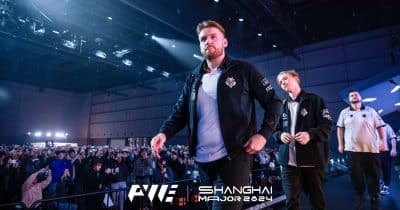
NiKo's reflection on his Shanghai Major performance demonstrates a paradigm shift in professional esports where mental resilience and team development take precedence over individual title accumulation. This approach suggests a more sustainable career trajectory that could influence how esports professionals structure their long-term goals.
NiKo's evolving perspective on competitive esports represents a maturation within professional gaming culture. Rather than fixating on championship wins as the sole measure of success, the player has redirected focus toward psychological growth and collective team performance. This mindset shift carries significant implications for esports sustainability, as burnout and mental health challenges have historically plagued top-tier competitors pursuing relentless title chases.
The context underlying this evolution reflects broader industry recognition that esports careers require holistic development strategies. Professional gaming has traditionally emphasized immediate results and individual accolades, often at the expense of player longevity. NiKo's Shanghai Major analysis demonstrates how competitive players are increasingly adopting frameworks from traditional sports psychology, prioritizing emotional intelligence and team cohesion over short-term victories.
This transition impacts esports organizations and talent development pipelines significantly. Teams investing in mental health infrastructure, coaching diversity, and sustainable practice schedules may attract higher-caliber players seeking longevity over rapid burnout. Players modeling this balanced approach create positive precedent within esports communities, potentially reducing attrition rates among aspiring professionals.
The industry should monitor how this mentality influences player retention and organizational performance over the next competitive seasons. As more established players publicly advocate for mental health prioritization, younger competitors may adopt similar frameworks earlier in their careers, fundamentally reshaping esports' occupational culture.
- →NiKo prioritizes mental growth and team development over individual championship titles.
- →Sustainable esports careers increasingly require psychological resilience alongside mechanical skill.
- →Organizations investing in mental health infrastructure gain competitive advantages in talent acquisition.
- →Professional esports culture is gradually adopting traditional sports psychology principles.
- →This mindset shift could reduce player burnout and extend competitive career longevity.