
NIS seeks US sanctions waiver for continued operations as MOL deal negotiations drag on
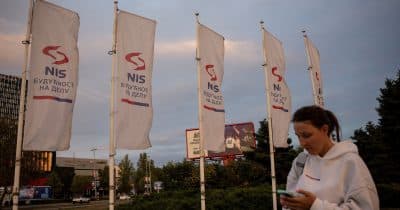
NIS (Naftna Industrija Srbije), Serbia's state oil company, is seeking a US sanctions waiver to maintain operations while negotiations with MOL (Hungarian oil company) continue to stall. The unresolved situation risks destabilizing regional energy markets and highlights the broader tension between geopolitical sanctions regimes and energy security.
NIS's request for a US sanctions waiver underscores the precarious position of energy infrastructure in regions subject to Western sanctions pressure. The company faces operational constraints that threaten its ability to function, forcing it to seek explicit exemptions from American regulators while simultaneously negotiating a potential acquisition or partnership with MOL. This situation reflects broader patterns in global energy markets where geopolitical tensions directly impact infrastructure continuity and commercial negotiations.
The backdrop involves Serbia's complex position between Western alignment and energy dependence on Russia. NIS historically relied on Russian crude oil supplies, creating vulnerabilities when sanctions regimes tighten. The MOL deal negotiations represent an attempt to diversify ownership and secure alternative supply chains, but protracted discussions suggest significant obstacles—potentially including regulatory concerns, valuation disputes, or strategic disagreements about the company's future direction.
For market participants, the uncertainty poses both direct and indirect risks. Energy price volatility could increase if NIS cannot maintain production, affecting broader European energy costs already stressed by supply constraints. The delayed resolution creates a window of instability where market participants cannot accurately price long-term energy costs or assess regional supply reliability. Investors monitoring regional energy stocks or futures markets face elevated uncertainty premiums.
The path forward depends on both US regulatory decisions and MOL negotiation progress. If the waiver is granted without MOL commitment, NIS gains breathing room but faces long-term structural questions. Conversely, a failed waiver coupled with stalled negotiations could trigger broader regional energy disruptions, forcing European policymakers to intervene directly.
- →NIS requires US sanctions waiver to continue operations while MOL deal negotiations remain unresolved
- →Protracted uncertainty threatens to destabilize regional energy markets and supply chains
- →The situation reflects Serbia's geopolitical vulnerability between Western and Russian energy interests
- →Delayed resolution creates pricing and supply reliability risks for European energy markets
- →Resolution depends on both regulatory approval and completion of the MOL acquisition negotiations