
Norse Atlantic Airways Offers Dirt-Cheap Tickets. There’s a Catch
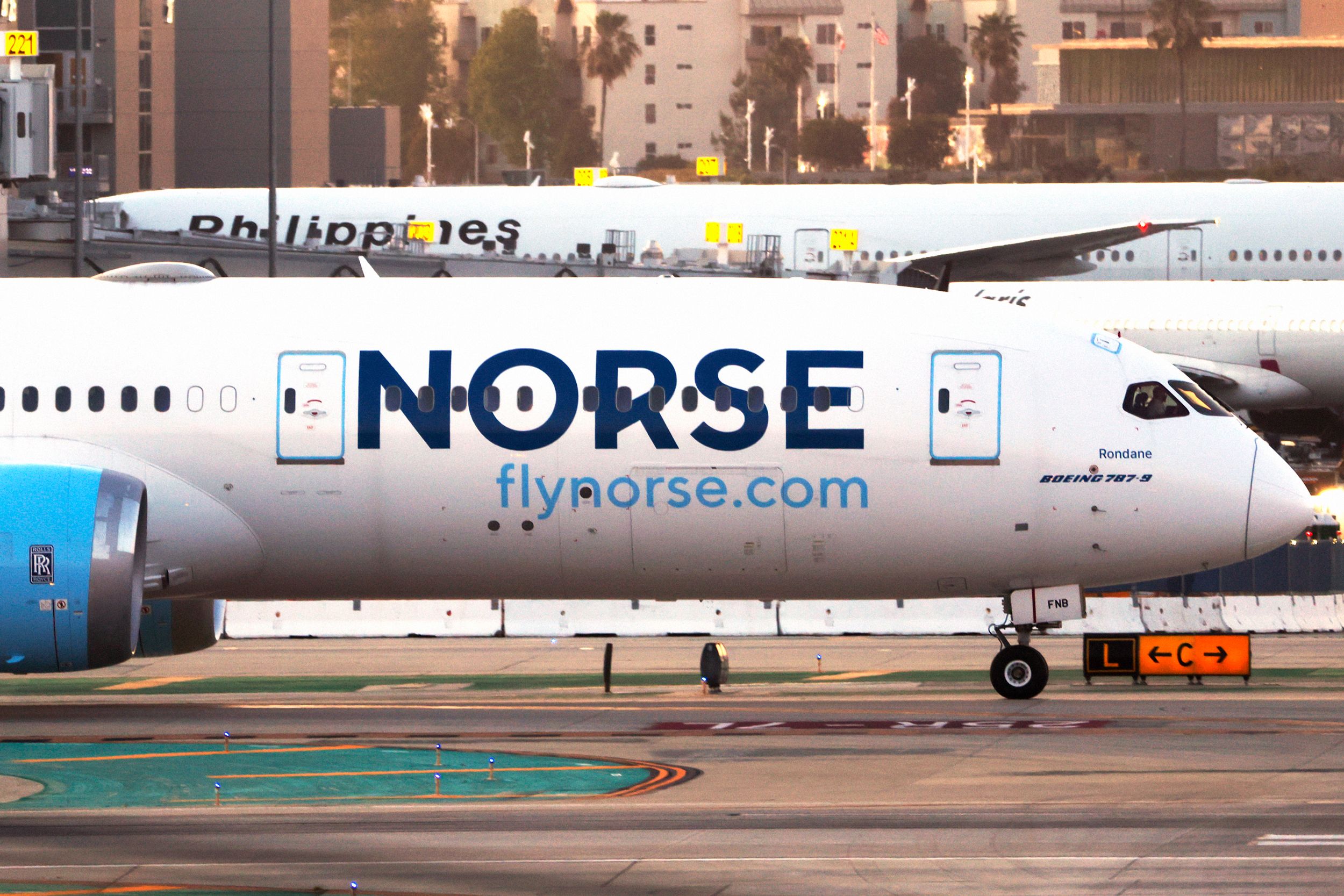
Norse Atlantic Airways, a low-cost airline, faces dozens of FTC complaints regarding its tech-first customer service model, with customers reporting losses of thousands of dollars. The carrier's digital-only support system appears to create friction in dispute resolution and refund processing.
Norse Atlantic Airways' business model demonstrates the friction points that emerge when companies prioritize cost reduction through automation without maintaining adequate human customer support channels. The airline's tech-first approach—likely designed to scale operations efficiently—has created a customer service gap where disputes cannot be resolved through traditional means, leaving affected passengers without recourse when issues arise. This pattern reflects a broader trend in which companies attempt to use technology to eliminate labor costs, but instead transfer service burdens to customers who lack alternative resolution paths.
The FTC complaints indicate a systematic problem rather than isolated incidents. When customers report losses in the thousands of dollars, they typically involve refund disputes, overbooking issues, or cancellation scenarios where the digital system fails to process legitimate claims. Norse Atlantic's model assumes customers can self-serve through automated systems, but airline disputes often require human judgment, negotiation, and exception handling that automation cannot provide.
This situation carries implications for consumer protection standards in the aviation industry. Regulators may respond by establishing minimum customer service requirements that mandate human contact options for dispute resolution, potentially increasing operational costs for airlines pursuing aggressive cost-cutting strategies. Companies in other sectors—ride-sharing, fintech, e-commerce—face similar pressures to implement comparable digital-first models, making this case a potential precedent for how regulators address customer service automation failures.
The outcome will likely determine whether tech-first service models survive regulatory scrutiny or whether airlines must maintain hybrid support systems that preserve customer recourse options.
- →Norse Atlantic Airways' automated customer service system has generated FTC complaints with reported losses exceeding thousands of dollars per customer.
- →Tech-first business models create regulatory risk when they eliminate human escalation paths for high-stakes disputes.
- →Airlines and other service providers may face new regulatory requirements mandating minimum human support availability.
- →Cost reduction through automation can paradoxically increase legal and regulatory expenses if customer satisfaction metrics deteriorate.
- →This case signals potential regulatory action against digital-only customer service in industries where financial stakes are substantial.