
North Korea just stole $577mn from crypto with two attacks, here’s how
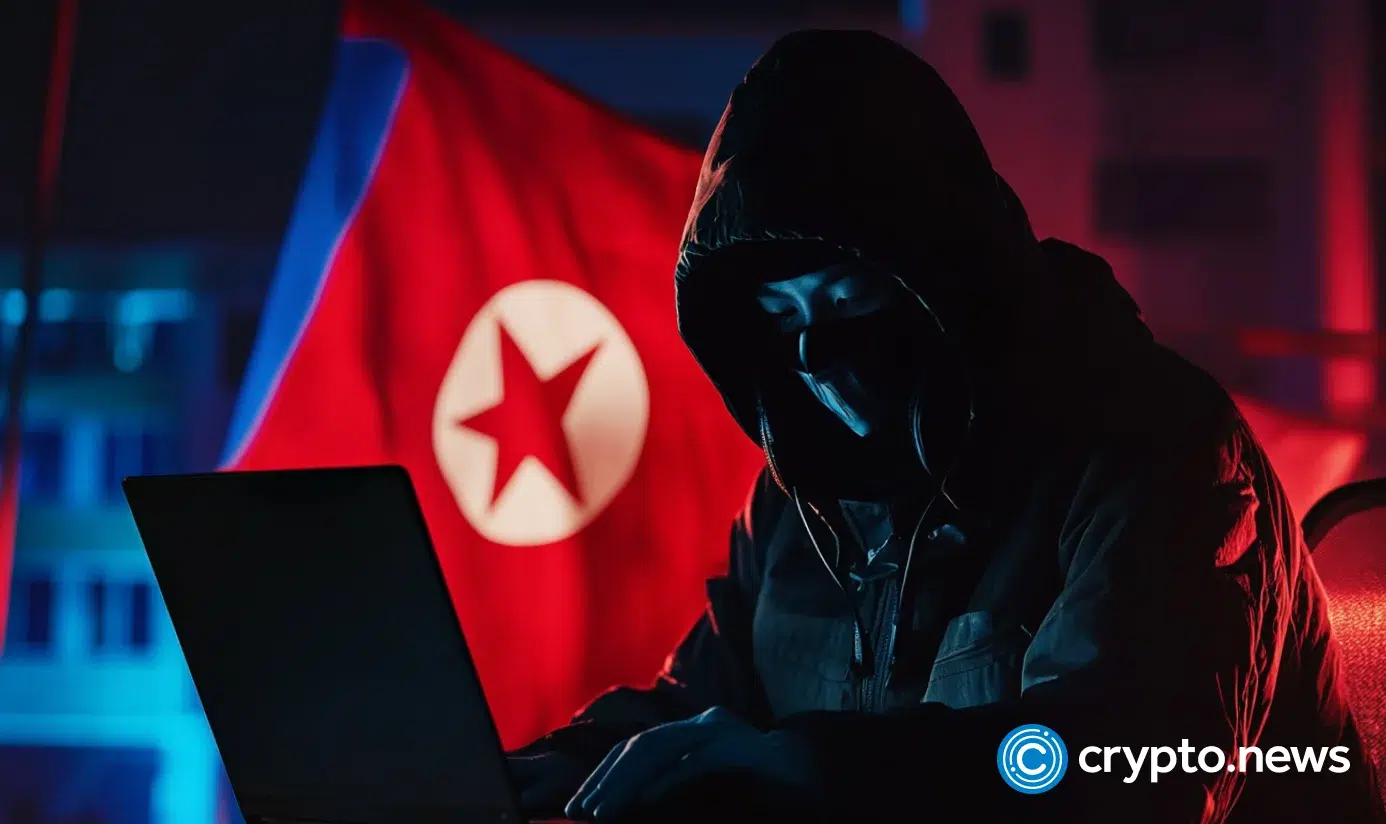
North Korean threat actors executed a coordinated six-month operation targeting DeFi protocols, stealing $285M from Drift Protocol and $292M from KelpDAO for a combined $577M haul. The attacks expose critical vulnerabilities in DeFi security infrastructure and raise urgent questions about protocol resilience against sophisticated state-sponsored threats.
The $577M theft represents one of the largest coordinated DeFi exploits attributed to a nation-state actor, signaling a dangerous evolution in cryptocurrency crime. Rather than opportunistic attacks, North Korean operatives conducted a methodical six-month campaign suggesting extensive reconnaissance and technical preparation. This approach mirrors traditional cyber espionage tradecraft applied to blockchain systems, indicating that DeFi protocols now face threats comparable to financial institutions.
These attacks follow a documented pattern of North Korean cryptocurrency theft spanning several years. As UN sanctions tighten traditional funding channels, state actors increasingly view DeFi as accessible treasury targets. The protocols targeted—Drift Protocol and KelpDAO—likely presented specific technical vulnerabilities or insufficient access controls that sophisticated attackers identified and exploited systematically.
For the broader DeFi ecosystem, the impact extends beyond immediate losses. Investors and developers face renewed questions about protocol auditing standards, insurance mechanisms, and whether decentralized systems can adequately protect against well-resourced adversaries. The theft may accelerate regulatory scrutiny of DeFi platforms, particularly those lacking robust security measures or clear governance frameworks.
Looking ahead, protocols must implement defense-in-depth strategies including multi-signature requirements, time-locked administrative functions, and comprehensive bug bounty programs. The incident underscores that DeFi's open nature creates exploitable attack surfaces when combined with protocol-specific flaws. Industry participants should expect similar campaigns against other vulnerable protocols and prepare accordingly.
- →North Korean actors stole $577M across Drift Protocol ($285M) and KelpDAO ($292M) through a coordinated six-month operation
- →The theft demonstrates nation-state actors now systematically target DeFi protocols as high-value theft opportunities
- →Protocol-specific vulnerabilities allowed sophisticated attackers extended access without detection over extended periods
- →DeFi platforms face mounting pressure to implement institutional-grade security standards or risk regulatory intervention
- →Future attacks against other vulnerable protocols are likely as adversaries refine techniques and share methodology