
Nvidia CEO Jensen Huang will not attend Trump-Xi meeting in Beijing
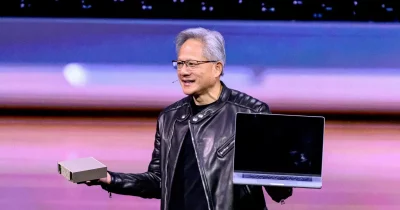
Nvidia CEO Jensen Huang's absence from a Trump-Xi summit in Beijing signals shifting US-China trade dynamics and reflects broader geopolitical tensions affecting the technology sector. The exclusion underscores how tech companies remain caught in evolving trade policies that could reshape global semiconductor markets and investment strategies.
Nvidia's exclusion from high-level US-China diplomatic discussions represents a notable shift in how technology companies interface with geopolitical negotiations. Unlike previous trade discussions where major tech leaders participated directly, this absence suggests either deliberate marginalization or a strategic decision by Nvidia to maintain distance from increasingly fraught bilateral relations. The move reflects the semiconductor industry's precarious position between two superpowers competing for technological dominance.
The broader context reveals years of escalating restrictions on advanced chip exports to China, driven by US national security concerns. Nvidia has faced repeated licensing requirements and product limitations on its most powerful GPUs destined for Chinese markets. These policies emerged under the Biden administration and appear to continue under Trump's approach, indicating bipartisan consensus on tech containment strategies despite differing diplomatic styles.
For investors and market participants, Nvidia's absence from such talks suggests limited near-term relief from export restrictions. The company's Chinese revenue streams remain constrained, affecting growth projections and profit margins in one of its historically important markets. Meanwhile, alternative chip designers and manufacturers aligned with either bloc may benefit from reduced competition or increased domestic demand.
Looking forward, observe whether this exclusion becomes a pattern for other US tech giants in diplomatic forums. Watch for any announced bilateral agreements that might modify semiconductor trade policies, and monitor Nvidia's strategic pivots toward non-restricted markets. The company's ability to develop compliant products for Chinese customers without violating US regulations will determine whether this diplomatic marginalization translates to sustained competitive disadvantages.
- →Nvidia CEO absent from Trump-Xi meeting, signaling continued tech sector tension in US-China relations
- →Reflects ongoing restrictions on advanced GPU exports to China that limit Nvidia's market access and revenue growth
- →US-China semiconductor competition remains a bipartisan priority despite different administration approaches
- →Tech companies face strategic uncertainty in navigating geopolitical negotiations and evolving export regulations
- →Investors should monitor whether exclusions from diplomatic talks correlate with new trade restrictions or policy shifts