
Nvidia introduces Isaac GR00T, a humanoid robot platform for academic research
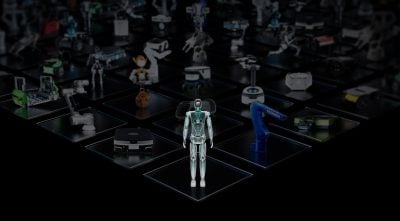
Nvidia has introduced Isaac GR00T, a humanoid robot platform designed for academic research that aims to address labor shortages and advance robotics capabilities across multiple industries. The platform represents a significant step in making sophisticated robotics technology accessible to researchers and institutions.
Nvidia's launch of the Isaac GR00T platform marks an important inflection point in the commercialization of humanoid robotics technology. By opening this platform to academic institutions, Nvidia democratizes access to advanced robotics infrastructure that was previously limited to well-funded corporations and specialized research facilities. This move directly addresses a critical bottleneck in robotics development: the scarcity of accessible research tools and the talent pipeline needed to advance the field.
The timing reflects broader industry trends toward automation and AI integration. Labor shortages across manufacturing, logistics, and service sectors have intensified interest in robotic solutions, creating both pressure and opportunity for companies developing foundational platforms. Nvidia's entry into this space leverages its existing strength in AI computing and software ecosystems, positioning the company at the intersection of artificial intelligence and physical automation.
For the robotics ecosystem, GR00T's academic focus generates substantial downstream value. Universities and research institutions will accelerate development of specialized applications, training the next generation of roboticists and creating demand for enterprise solutions. This educational investment builds long-term market expansion for Nvidia and its partners.
The competitive landscape intensifies as multiple companies race to establish dominant platforms in robotics. Nvidia's software-first approach, combined with its GPU computing dominance, creates competitive advantages, though rivals like Tesla and Boston Dynamics continue advancing proprietary solutions. Watch for adoption metrics among academic institutions, emerging research breakthroughs leveraging the platform, and eventual commercialization pathways for university-developed robotics applications.
- →Nvidia opens sophisticated robotics technology to academic institutions, accelerating research and development cycles.
- →The platform addresses labor shortage challenges across manufacturing, logistics, and service sectors.
- →GR00T leverages Nvidia's AI computing expertise to create competitive advantages in the emerging humanoid robotics market.
- →Academic accessibility builds a talent pipeline and generates downstream commercial applications for enterprise robotics.
- →Competition intensifies as multiple companies establish foundational platforms for robotics development.