
Zohran’s primary of power: the Democrat that Republicans fear most runs New York City
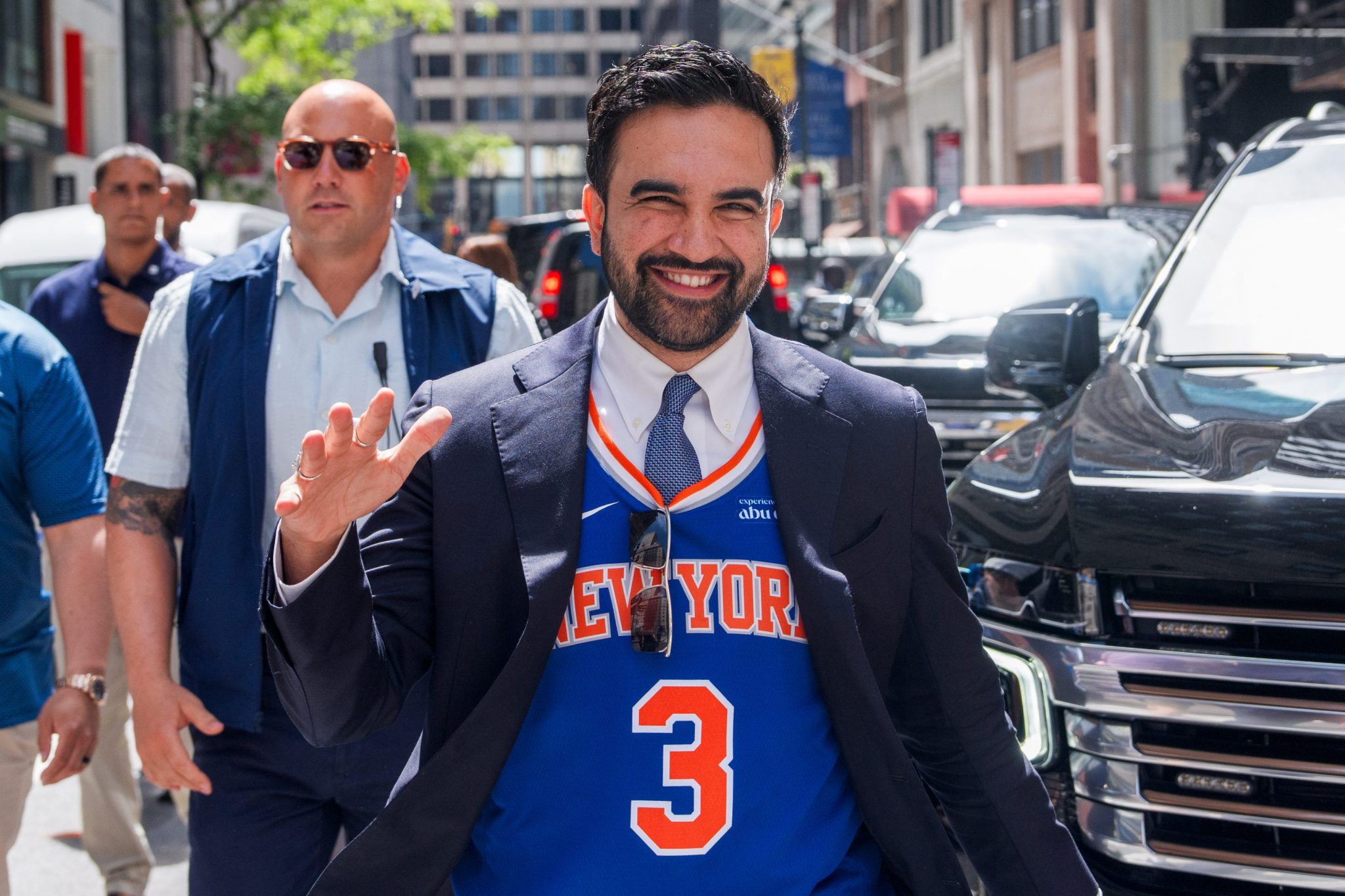
This article profiles a Democratic politician who has risen to prominence in New York City politics, challenging party establishment figures and drawing Republican attention within six months of taking office. The piece focuses on political dynamics and electoral shifts rather than cryptocurrency or AI industry matters.
The article examines a significant political development within New York City's Democratic party structure, where an insurgent politician has rapidly consolidated power and influence. This represents a broader pattern of anti-establishment sentiment reshaping urban Democratic politics, with the subject challenging both traditional party leadership and incumbent politicians. The rapid consolidation of power suggests deep dissatisfaction with existing political structures and governance approaches.
Historically, New York City politics has been dominated by established party machinery and incumbent protection. This shift indicates generational and ideological realignment within the Democratic coalition, with newer political figures gaining traction by mobilizing grassroots support against traditional power brokers. The defiance of established figures like Hakeem Jeffries signals fractures within party unity and suggests different factions have fundamentally opposed visions for policy direction.
From an institutional perspective, this political realignment could influence policy decisions affecting business, development, and economic regulation in New York City. Republican attention to this figure suggests they view the political landscape as increasingly unstable and opportunity-rich for alternative messaging. The ability to topple incumbents demonstrates genuine political leverage that extends beyond symbolic gestures.
Moving forward, the stability of this new political coalition remains uncertain. Whether this represents a durable realignment or temporary disruption depends on governance outcomes, constituent satisfaction, and the ability to maintain grassroots momentum against entrenched interests. The Republican Party's response will indicate whether they view this as an opportunity to expand influence or merely a distraction within Democratic infighting.
- →A Democratic politician has rapidly gained influence in New York City politics within six months of taking office.
- →The figure is challenging establishment Democratic leadership and defeating incumbent politicians.
- →Republican attention suggests they see strategic opportunities in NYC's shifting political dynamics.
- →This reflects broader anti-establishment sentiment reshaping urban Democratic party structures.
- →Long-term sustainability of this political coalition remains dependent on governance performance.