
Dozens of off-grid gas plants built for data centers raise air quality concerns
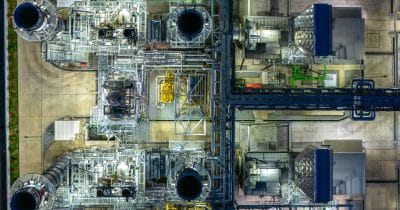
Dozens of off-grid natural gas power plants have been constructed to support data center operations, raising significant air quality and environmental justice concerns across the United States. This infrastructure expansion, driven by data center energy demands, risks concentrating pollution in specific regions and exacerbating existing environmental disparities.
The proliferation of off-grid gas plants for data center operations represents a critical intersection between infrastructure demands and environmental accountability. Data centers require enormous, consistent power supplies, and off-grid facilities bypass traditional utility infrastructure constraints, enabling rapid deployment in locations that might otherwise face capacity limitations. This trend intensifies as computational demands from AI training, blockchain operations, and cloud services accelerate globally.
Historically, energy infrastructure has disproportionately concentrated pollution burdens in lower-income and minority communities through zoning practices and regulatory arbitrage. The current wave of off-grid gas plants perpetuates this pattern by allowing developers to site facilities near communities with less political influence or environmental oversight. These plants operate outside traditional utility frameworks, reducing public transparency and regulatory scrutiny compared to grid-connected infrastructure.
For the cryptocurrency and AI sectors, this development creates both operational and reputational risks. Data center operators—whether supporting blockchain networks, AI model training, or traditional cloud services—face growing pressure from stakeholders concerned about environmental impact. Regulatory bodies increasingly scrutinize energy sourcing for computing-intensive operations, particularly cryptocurrency mining, which has become synonymous with environmental concerns.
Looking forward, stakeholders should monitor regulatory responses, including potential EPA actions, state-level emissions caps, and industry standards development. The tension between computational infrastructure growth and environmental compliance will likely drive investment in renewable energy alternatives and more efficient cooling technologies. Companies addressing these concerns proactively may gain competitive advantages as environmental standards tighten and consumer preferences shift toward sustainable operations.
- →Off-grid gas plants bypass traditional utility oversight and concentrate pollution in vulnerable communities
- →Data center energy demands are driving rapid deployment of unregulated or lightly-regulated energy infrastructure
- →Cryptocurrency and AI sectors face reputational and regulatory risks from energy sourcing practices
- →Environmental justice concerns may trigger stricter regulatory responses affecting data center siting and operations
- →Companies adopting renewable energy alternatives position themselves ahead of tightening environmental standards