
Oil flow through Strait of Hormuz to rise, says Energy Secretary Wright
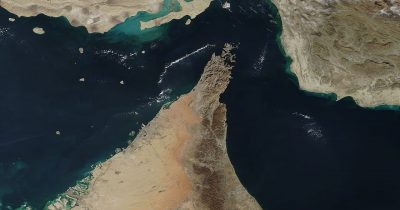
Energy Secretary Wright announced that oil flow through the Strait of Hormuz is expected to increase, which could help stabilize global oil markets. However, this development alone may not address the underlying geopolitical tensions that affect energy security and market volatility.
The Strait of Hormuz represents a critical chokepoint in global energy infrastructure, with approximately one-third of seaborne traded oil passing through this narrow waterway between Iran and Oman. Energy Secretary Wright's statement regarding increased oil flow signals potential easing of supply constraints that have pressured energy markets. This announcement carries weight because the Strait's accessibility directly influences crude prices, which ripple across cryptocurrency markets, particularly affecting energy-intensive blockchain networks and mining operations.
Geopolitical tensions in the Middle East have historically created supply uncertainty, driving oil price volatility that inversely correlates with risk asset performance. While increased flow through the Strait could reduce immediate price pressures, Wright's caveat about persistent geopolitical tensions underscores that structural risks remain unresolved. Regional conflicts, sanctions regimes, and political instability continue threatening supply chains regardless of current production levels.
For cryptocurrency markets, oil price stability matters considerably. Bitcoin mining operations rely on energy costs, and macro investors often treat oil prices as barometers for geopolitical risk appetite. Stable or falling oil prices typically support broader risk asset valuations, benefiting cryptocurrencies. Conversely, geopolitical escalation could spike energy costs and redirect investment toward safe havens.
Investors should monitor whether this increased flow translates to sustained price moderation or represents temporary relief. The market's response will depend on whether geopolitical developments confirm Wright's optimistic assessment or validate concerns about underlying tensions. Any signs of Strait disruption or regional escalation could quickly reverse these benefits, making this a situation requiring close observation rather than immediate portfolio adjustments.
- →Increased Strait of Hormuz oil flow could ease global supply constraints and moderate crude prices
- →Persistent geopolitical tensions limit the duration and effectiveness of increased oil supply benefits
- →Oil price stability directly influences cryptocurrency mining economics and macro market sentiment
- →The announcement reflects cautious optimism but carries risks if regional tensions escalate
- →Investors should treat this as a positive but conditional development requiring ongoing monitoring