
Oil prices drop 10% as Trump confirms Strait of Hormuz is fully open
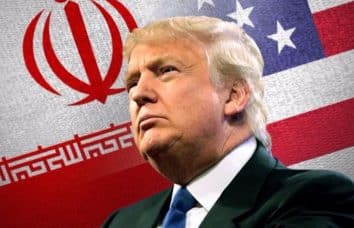
Oil prices fell 10% following Trump's confirmation that the Strait of Hormuz is fully open, potentially easing global energy supply concerns. The reopening of this critical chokepoint could stabilize commodity markets and reduce geopolitical risk premiums that have pressured energy-dependent economies.
The Strait of Hormuz serves as one of the world's most critical energy infrastructure points, with approximately 20-30% of global petroleum flowing through its narrow passage daily. When access becomes restricted or threatened, oil markets immediately price in supply disruption risk, creating volatility across energy and related markets. Trump's confirmation that the strait is fully operational removes a significant geopolitical uncertainty premium that had been embedded in crude prices.
Historically, tensions in the Persian Gulf—whether from Iranian actions, regional conflicts, or diplomatic standoffs—have triggered oil price spikes as traders fear supply interruptions. These disruptions create cascading effects through energy-dependent sectors and influence inflation expectations, which indirectly impact cryptocurrency volatility and risk asset valuations. The 10% price decline signals market confidence that energy supply chains will remain uninterrupted.
For global markets, stable oil prices reduce stagflation concerns and support economic growth expectations, particularly benefiting energy importers. Lower energy costs decrease input costs for transportation, manufacturing, and industrial production. Cryptocurrency markets typically respond positively to reduced macro risk and inflation fears, as these conditions improve conditions for speculative asset valuations.
Looking ahead, sustained access to the Strait of Hormuz would need to remain assured without new geopolitical flare-ups. Any future tensions or policy shifts affecting regional stability could quickly reverse these gains. Market participants should monitor both diplomatic developments in the region and OPEC production decisions, as coordinated supply management could offset the supply-stability benefits of unrestricted strait access.
- →Oil prices dropped 10% on confirmation that the Strait of Hormuz remains fully open and accessible
- →Removal of geopolitical supply-risk premiums stabilizes energy markets and reduces macro uncertainty
- →Lower oil prices reduce inflation expectations and support broader risk asset valuations including crypto
- →The reopening benefits energy-importing nations while reducing transportation and industrial input costs
- →Continued monitoring of regional stability is essential as any new tensions could quickly reverse gains