
Oil prices hit lowest levels since Iran conflict amid US-Iran negotiation progress
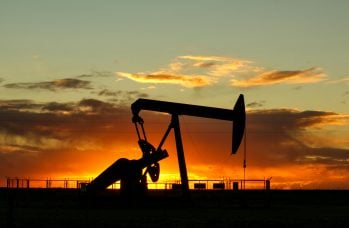
Oil prices have declined to their lowest levels since the Iran conflict as U.S.-Iran negotiations show progress, easing geopolitical tensions. This de-escalation reduces supply risk and market uncertainty, potentially stabilizing global energy markets and broader economic conditions.
The decline in oil prices reflects a significant shift in geopolitical risk sentiment following constructive U.S.-Iran negotiations. When tensions between major oil-producing regions ease, markets reassess supply chain vulnerabilities and adjust risk premiums downward. This repricing demonstrates how political developments directly influence energy commodities and cascading economic effects.
Geopolitical conflicts in the Middle East have historically created supply disruptions and uncertainty premiums in oil pricing. The Iran-U.S. tension created a backdrop of potential sanctions escalation, military action, and regional instability that kept prices artificially elevated. As diplomatic channels open and negotiation progress materializes, market participants reduce their hedging positions against worst-case scenarios, allowing prices to normalize toward fundamental supply-demand dynamics.
For broader markets, lower oil prices reduce inflationary pressure and increase consumer purchasing power, benefiting economic growth and corporate profitability across non-energy sectors. However, the relationship between oil prices and crypto markets remains complex. Lower energy costs typically correlate with reduced mining operational expenses, improving Bitcoin and altcoin mining margins. Conversely, de-risking sentiment can reduce safe-haven demand for alternative assets like cryptocurrency.
Investors should monitor negotiation developments closely, as any escalation reversal would quickly reprice oil upward. The sustainability of these price declines depends on whether negotiations produce lasting agreements or represent temporary relief. Energy-dependent economies and mining operations benefit from the current trajectory, while geopolitical risk monitoring remains essential for understanding broader market stability.
- →Oil prices reach multi-month lows as U.S.-Iran tensions ease through active diplomatic negotiations
- →De-escalation reduces geopolitical risk premiums previously built into energy commodity valuations
- →Lower oil costs improve mining profitability but may reduce crypto's safe-haven appeal
- →Energy markets reflect changing political risk, affecting inflation expectations and broader economic outlooks
- →Sustained price declines depend on negotiation outcomes and potential diplomatic setbacks