
Oil prices fall as Strait of Hormuz reopening hopes rise
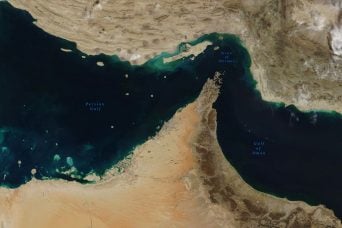
Hopes for reopening the Strait of Hormuz are pushing oil prices lower as markets anticipate stabilized global energy supplies and reduced geopolitical risk. The potential passage through this critical chokepoint could ease energy market volatility that has rippled across cryptocurrency and broader financial markets.
The Strait of Hormuz serves as one of the world's most critical energy infrastructure points, with roughly 20-30% of globally traded petroleum passing through its narrow waters annually. Any disruption to this waterway creates immediate supply shocks that reverberate across commodities markets and, by extension, cryptocurrency valuations. Current optimism about reopening reflects easing geopolitical tensions that have previously threatened maritime transit and energy security.
Historically, Strait of Hormuz closures or threatened closures trigger immediate oil price spikes, which correlate with broader risk-off sentiment in markets. Energy costs directly impact production expenses across industries, from mining operations to data centers powering blockchain networks. When oil prices surge due to supply concerns, these operational costs ripple through the crypto ecosystem, affecting mining profitability and network security dynamics.
The falling oil prices signal markets are pricing in renewed confidence in stable energy supply chains. This development reduces a significant macroeconomic headwind that has pressured risk assets, including cryptocurrencies, throughout 2023-2024. Lower energy costs strengthen the fundamentals for energy-intensive sectors like proof-of-work blockchain networks, potentially supporting sustained mining operations and network participation.
Investors should monitor upcoming developments regarding actual reopening timelines and geopolitical negotiations. Any reversal in these trends would quickly reinstate energy-related risk premiums across markets. The correlation between energy stability and crypto market sentiment suggests sustained positive movement hinges on continued diplomatic progress rather than one-time statements.
- →Strait of Hormuz reopening hopes are reducing oil prices and broader geopolitical risk premiums affecting crypto markets.
- →Lower energy costs directly benefit mining operations and blockchain network security by reducing operational expenses.
- →Oil supply stability removes a major macroeconomic headwind that has pressured risk assets including cryptocurrencies.
- →Energy infrastructure developments carry outsized importance for proof-of-work networks due to their computational intensity.
- →Continued diplomatic progress remains essential to sustain current market optimism around energy supply stabilization.