
Oil steadies near $89 as US-Iran negotiations stall, rattling crypto and energy markets alike
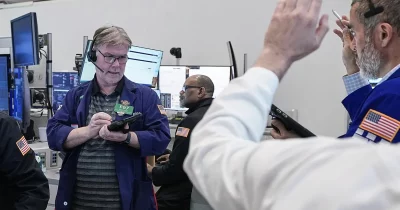
Stalled US-Iran negotiations have pushed oil prices to stabilize near $89 per barrel, creating ripple effects across cryptocurrency and traditional energy markets. The diplomatic deadlock amplifies geopolitical risk premiums, introducing new volatility vectors that crypto traders must monitor alongside macroeconomic indicators.
The breakdown in US-Iran talks represents a critical juncture for global commodity markets. When diplomatic channels deteriorate, investors historically flee to safe-haven assets and hedge geopolitical risk through oil futures and volatile alternative assets like Bitcoin. Oil's steadiness near $89 masks underlying tension—prices could spike sharply if negotiations collapse entirely or military escalation occurs, which would cascade into crypto markets as investors recalibrate risk exposure.
Historically, geopolitical crises drive cryptocurrency adoption as a hedge against currency devaluation and capital controls. Previous Iran sanctions cycles saw increased crypto adoption domestically, while global markets priced in inflation expectations tied to energy costs. The current stalled negotiations echo 2020 patterns when similar tensions preceded crypto volatility spikes alongside oil price movements.
Crypto and traditional markets now share directional pressure. Rising oil prices increase inflation expectations, which compress valuations for risk assets including crypto. Conversely, oil market stress signals broader economic uncertainty, pushing institutional investors toward Bitcoin as uncorrelated diversification. Energy-dependent sectors face margin compression, while traders face compounding volatility across multiple asset classes.
Market participants should monitor three key developments: official statements from negotiating parties, crude stockpile data releases, and bitcoin correlation metrics with traditional risk assets. If talks resume, crypto volatility may compress as geopolitical risk premiums unwind. Conversely, escalation would likely trigger simultaneous oil and crypto rallies driven by inflation hedging demand.
- →Stalled US-Iran negotiations elevate geopolitical risk premiums affecting both oil and cryptocurrency markets
- →Oil stability near $89 masks underlying volatility potential from diplomatic uncertainty
- →Crypto traders face compounded risk from correlated movements with traditional commodities and macroeconomic inflation expectations
- →Historical precedent shows geopolitical crises drive Bitcoin adoption as uncorrelated hedge and capital control workaround
- →Investors should monitor official diplomatic communications and energy stockpile data for next volatility catalysts