
Oil prices tumble over 20% in May, marking worst month since 2020
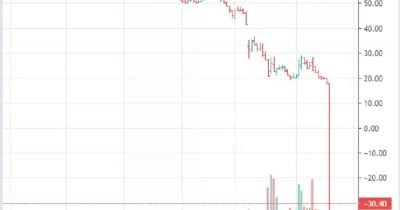
Oil prices fell over 20% in May 2024, marking the worst month for crude since 2020, driven by geopolitical instability and infrastructure challenges. This significant energy market correction has ripple effects across global financial markets and investor portfolios, particularly affecting risk assets like cryptocurrencies that correlate with broader macroeconomic conditions.
The 20% decline in oil prices during May represents a substantial repricing of energy markets and signals shifting investor sentiment about global economic growth and energy demand. Major oil price contractions typically stem from either supply shocks (production increases, reduced tensions) or demand concerns (recession fears, economic slowdown). The article attributes this decline to geopolitical instability and infrastructure challenges, suggesting a complex interplay of factors rather than a single catalyst.
Historically, oil serves as a barometer for global economic health. The last comparable monthly decline occurred in 2020 during the pandemic-induced demand collapse. The current decline invites comparison to that period while highlighting how different macroeconomic contexts shape energy markets. Geopolitical tensions often support oil prices, so their mention alongside the price drop indicates either resolution of previous tensions or market participants pricing in lower demand outlook despite ongoing instability.
For cryptocurrency and digital asset investors, oil price movements carry indirect but meaningful implications. Risk-off sentiment that pressures oil prices typically extends to alternative assets, including crypto markets. Traditional energy markets and digital assets increasingly move together during macro uncertainty, as both respond to broader financial conditions and investor risk appetite. A 20% decline suggests institutional reallocation away from risk assets generally.
Looking forward, investors should monitor whether this oil price decline stabilizes or continues lower, as further weakness would reinforce recession narratives that could pressure crypto valuations. Geopolitical developments remain critical wildcards that could reverse the trend quickly. Energy market weakness may also influence Federal Reserve policy considerations around inflation and interest rates, ultimately affecting crypto market dynamics.
- →Oil prices dropped over 20% in May 2024, the worst monthly performance since the 2020 pandemic crash.
- →Geopolitical instability and infrastructure issues are driving the energy market correction.
- →Oil price movements correlate with broader risk asset sentiment, including cryptocurrency markets.
- →Energy market weakness may influence central bank policy and macroeconomic outlooks affecting all asset classes.
- →Sustained oil price declines could signal recession concerns that extend pressure to digital assets.