
Three crude-oil tankers attacked by drones off Turkey’s Black Sea coast
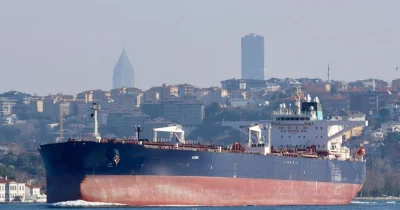
Three crude-oil tankers were attacked by drones off Turkey's Black Sea coast in what appears to be part of Ukraine's strategy to disrupt Russian oil exports. The attacks escalate maritime tensions in the region and are driving up global energy prices and shipping insurance costs, creating broader economic ripple effects.
The drone attacks on oil tankers represent a significant escalation in Ukraine's asymmetric warfare strategy against Russian energy infrastructure. By targeting maritime vessels in international waters, Ukraine aims to constrain Russian petroleum revenues and degrade Moscow's ability to fund its military operations. This tactic extends beyond traditional battlefield engagements into economic warfare, directly impacting global energy supply chains.
These strikes occur within the context of Russia's reliance on Black Sea shipping routes for crude oil exports, a critical revenue stream for its economy. Ukraine has systematically targeted Russian energy assets since the invasion began, but maritime attacks introduce new operational complexity and international dimensions. Turkey's position as a NATO member hosting these waters adds diplomatic sensitivity, as attacks near Turkish territory risk broader geopolitical complications.
The immediate market impact manifests through elevated oil prices and sharply increased maritime insurance premiums for tankers operating in the region. These costs cascade through global energy markets, affecting fuel prices, transportation expenses, and inflation pressures worldwide. Investors in energy commodities and shipping sectors face heightened volatility and risk premiums.
Looking forward, the sustainability of Ukraine's drone capabilities, potential international responses to attacks near neutral territory, and the possibility of alternative shipping routes becoming viable will shape energy market dynamics. The incident underscores how regional conflicts now directly influence global commodity markets and geopolitical risk assessments. Continued escalation could force major shipping firms to reroute around the Black Sea entirely, fundamentally altering regional trade patterns.
- →Drone attacks on oil tankers represent Ukraine's economic warfare strategy targeting Russian energy revenues
- →Maritime insurance costs are rising sharply due to increased risk in Black Sea shipping corridors
- →Global oil prices face upward pressure from supply disruption concerns and reduced Russian export capacity
- →The attacks introduce diplomatic complexity given Turkey's NATO membership and neutral Black Sea position
- →Energy market volatility will likely persist as long as maritime security threats remain unresolved