
Oil tanker exits Strait of Hormuz amid US-Iran-Israel tension de-escalation
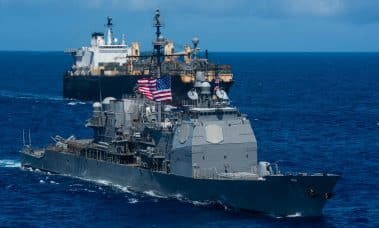
An oil tanker has exited the Strait of Hormuz as tensions between the US, Iran, and Israel show signs of de-escalation. The easing of geopolitical friction could stabilize oil prices and improve maritime traffic flow through this critical chokepoint, though underlying volatility risks remain.
The departure of an oil tanker from the Strait of Hormuz signals a potential shift in regional dynamics, with de-escalatory signals from major geopolitical actors reducing immediate threat levels to global energy infrastructure. This matters because the Strait of Hormuz represents one of the world's most critical energy chokepoints, handling approximately one-third of global seaborne oil trade. Any disruption or perceived risk in this waterway historically triggers sharp commodity price movements that ripple across crypto and traditional markets.
Geopolitical tensions in the Middle East have created sustained uncertainty since earlier escalations involving Iranian strikes and Israeli responses. These events raised concerns about potential blockades or attacks on shipping infrastructure, creating a risk premium in oil prices. The current de-escalation appears to reflect diplomatic efforts and reduced military posturing, allowing normal commercial shipping to resume more freely.
For cryptocurrency and digital asset markets, crude oil price stability removes a confounding variable in macro analysis. Oil volatility often correlates with broader risk-off sentiment that depresses crypto valuations. Stabilized energy prices could reduce inflation concerns and give central banks more flexibility, potentially supporting risk asset valuations including Bitcoin and Ethereum. However, the cryptocurrency market remains sensitive to broader macroeconomic conditions and geopolitical shocks.
Market participants should monitor whether this de-escalation proves durable or represents a temporary pause in tensions. Further developments in US-Iran negotiations, Israeli-Hezbollah relations, or other regional dynamics could quickly reverse gains. The normalization of Hormuz traffic should gradually reduce the geopolitical risk premium embedded in oil prices, which could have positive spillover effects for risk assets.
- →Oil tanker exits Strait of Hormuz as US-Iran-Israel tensions ease, reducing immediate supply disruption risks.
- →Stable oil prices support cryptocurrency markets by reducing macro volatility and inflation concerns.
- →Geopolitical de-escalation removes risk premiums that have elevated energy costs across global markets.
- →Cryptocurrency investors should monitor Middle East developments as triggers for broader risk-off sentiment.
- →Durability of de-escalation remains uncertain, with potential for rapid reversal if tensions reignite.