
First Gulf-to-Europe crude oil tanker since March is paying its way through the Strait of Hormuz in Bitcoin
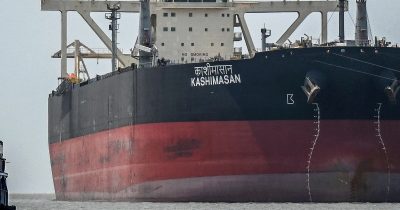
A crude oil tanker traveling from the Gulf to Europe has reportedly paid transit fees through the Strait of Hormuz using Bitcoin, marking a significant shift in how international trade settlements occur. This development highlights growing cryptocurrency adoption in traditional commodity markets and demonstrates potential applications beyond financial speculation.
The use of Bitcoin for Strait of Hormuz transit fees represents a notable intersection between cryptocurrency adoption and geopolitical oil trade infrastructure. The Strait of Hormuz, a critical chokepoint controlling roughly 20% of global oil supply, traditionally handles payments through conventional banking channels. This transaction signals that alternative payment methods are gaining operational viability in high-stakes international commerce where settlement speed and avoiding traditional financial intermediaries offer tangible advantages.
Historically, oil trade has remained dominated by US dollar settlements and SWIFT infrastructure, reinforced by sanctions regimes and geopolitical pressures. Recent years have seen increased interest from resource-exporting nations in circumventing dollar dependency, particularly amid US sanctions on Iran and Venezuela. Cryptocurrency adoption in commodity trade addresses these pressures by offering settlement mechanisms outside traditional banking rails, though regulatory scrutiny remains substantial.
For cryptocurrency markets, this event validates real-world utility beyond retail speculation and DeFi applications. Bitcoin's use as a medium of exchange for critical infrastructure payments strengthens narratives around store-of-value and settlement properties. However, the transaction's impact on global oil pricing and crypto markets appears limited given the single-transaction nature of the report.
Looking forward, broader adoption depends on regulatory clarity regarding sanctions compliance and whether similar payments emerge across other Gulf-Europe trade routes. The trend warrants monitoring as it could influence both cryptocurrency institutional adoption and energy market settlement mechanisms globally.
- →Bitcoin was used to pay transit fees through the Strait of Hormuz, demonstrating cryptocurrency adoption in critical global trade infrastructure
- →This transaction reflects ongoing efforts by oil-exporting nations to diversify from dollar-denominated settlements and traditional banking systems
- →The development validates real-world cryptocurrency utility in commodity markets beyond speculative or DeFi applications
- →Regulatory compliance regarding sanctions and payment verification remains a significant barrier to widespread adoption
- →Future similar transactions could reshape energy trade settlement dynamics and influence both crypto and oil markets