
Oman backs US-Iran MoU on Strait of Hormuz, rejects transit fees
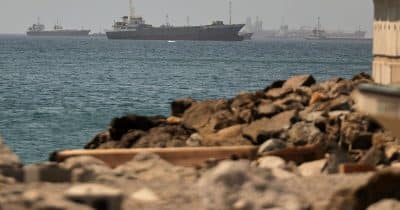
Oman has endorsed a US-Iran Memorandum of Understanding regarding Strait of Hormuz transit, rejecting proposed transit fees while supporting temporary toll-free passage. The agreement aims to stabilize energy markets, though unresolved disputes could reignite geopolitical tensions and market volatility.
The Strait of Hormuz represents one of the world's most critical chokepoints for energy trade, with approximately one-third of global maritime petroleum passing through its waters. Oman's diplomatic endorsement of a US-Iran MoU signals a meaningful step toward de-escalation in a region marked by decades of adversarial positioning. By backing toll-free transit arrangements, Oman—a historically neutral mediator—legitimizes an approach that prioritizes market stability over revenue extraction, addressing concerns that transit fees could artificially inflate energy prices and destabilize global supply chains.
The geopolitical context matters significantly. Tensions between the US and Iran have repeatedly spiked over shipping security, sanctions enforcement, and regional influence. Previous incidents involving tanker seizures and drone strikes created uncertainty for energy markets and cryptocurrency volatility tied to oil price swings. Oman's rejection of transit fees suggests regional stakeholders recognize that extractive approaches undermine long-term stability.
For financial markets, including cryptocurrency investors, stable energy flows directly influence inflation expectations, central bank policy, and broader macroeconomic conditions. Oil price stability reduces inflationary pressure, which can support risk assets including cryptocurrencies when macro conditions improve. Conversely, if unresolved issues reignite tensions, crude price spikes could trigger hawkish central bank responses and broader asset repricing.
Investors should monitor implementation details and whether Iran and the US formalize additional agreements beyond this MoU. Watch for incidents that might test the arrangement's durability, particularly around shipping security or sanctions compliance. The framework's success could reduce a significant tail-risk premium currently priced into energy and broader financial markets.
- →Oman's support for a US-Iran Strait of Hormuz MoU prioritizes toll-free passage over revenue extraction, signaling a de-escalatory approach.
- →Stable energy transit through critical shipping routes reduces oil price volatility, benefiting macroeconomic conditions that support risk assets.
- →Unresolved disputes between the US and Iran remain, creating tail risks that could reignite tensions and market instability.
- →The agreement addresses historical supply-chain concerns tied to tanker seizures and security incidents that previously spiked energy prices.
- →Implementation success depends on whether additional formal agreements follow and whether shipping incidents test the framework's durability.