
Oman pledges no tolls on Strait of Hormuz after Trump threat: Bessent
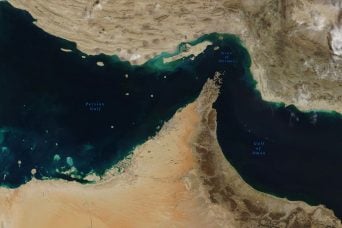
Oman has committed to avoiding toll charges on the Strait of Hormuz following pressure from the Trump administration, reducing Iran's negotiating position and potentially stabilizing regional trade routes critical to global oil and cryptocurrency market liquidity.
Oman's pledge to refrain from implementing tolls on the Strait of Hormuz represents a significant geopolitical shift with direct implications for global energy markets and cryptocurrency volatility. The decision undermines Iran's leverage in regional negotiations and reduces the likelihood of shipping disruptions that could spike oil prices and trigger broader market instability. This commitment, prompted by Trump administration pressure, signals strengthened U.S. diplomatic influence in the Gulf region during a period of heightened U.S.-Iran tensions.
Historically, the Strait of Hormuz has served as a chokepoint for approximately 20-30% of global seaborne oil trade. Threats of toll implementation or transit disruptions have repeatedly triggered energy market shocks, which cascade into cryptocurrency markets through inflation concerns and macroeconomic uncertainty. The broader context involves ongoing U.S. sanctions against Iran, regional proxy tensions, and attempts to reshape Middle Eastern trade relationships under the Trump administration's foreign policy doctrine.
For cryptocurrency markets, regional stability typically reduces haven-asset volatility and crude oil price swings, both of which influence macro market sentiment. Reduced uncertainty around Hormuz shipping decreases the probability of unexpected inflation spikes that would impact Federal Reserve policy expectations and Bitcoin's macroeconomic positioning. Investors monitoring geopolitical risk premiums should note that this development slightly reduces tail-risk pricing across energy-sensitive sectors.
Market participants should watch for Iran's response and whether this diplomatic victory emboldens further U.S. Gulf initiatives that could reshape regional trade flows. Any escalation in U.S.-Iran relations remains a primary volatility driver for energy markets and crypto assets correlated with macro risk sentiment.
- →Oman's toll pledge reduces Iran's negotiating leverage and stabilizes critical global shipping routes
- →Decreased Hormuz disruption risk lowers energy market volatility and inflation expectations
- →Geopolitical stability reduces macro uncertainty that typically impacts cryptocurrency valuations
- →U.S. diplomatic pressure in the Gulf region strengthens under Trump administration policy
- →Investors should monitor Iran's response as a key volatility trigger for crypto and energy markets