
OpenAI’s Mira Murati details boardroom battle over Sam Altman’s return as CEO
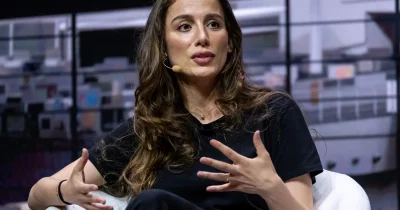
OpenAI's Chief Technology Officer Mira Murati has disclosed details about internal boardroom disagreements surrounding Sam Altman's return as CEO following his brief ousting. The conflict reveals fundamental tensions within OpenAI between maintaining its nonprofit mission-driven governance structure and pursuing aggressive growth-focused business strategies.
OpenAI's recent leadership turbulence exposes a critical fault line in how AI companies balance idealistic founding missions with commercial imperatives. Murati's public disclosure of boardroom divisions signals that the disagreement over Altman's reinstatement was not a simple procedural matter but reflected substantive strategic differences among board members about OpenAI's direction and governance principles.
This crisis stems from OpenAI's unusual hybrid structure—a for-profit subsidiary operating under nonprofit governance. As the company scaled commercially and pursued significant investment, tensions mounted between those prioritizing the original nonprofit mission and those advocating for rapid growth and market dominance. The board's initial decision to remove Altman suggested mission-oriented members sought to reassert control, while his swift return indicates growth-focused stakeholders prevailed.
The implications ripple across the AI industry and investment landscape. This governance instability raises questions about OpenAI's long-term strategic direction and decision-making reliability for partners, investors, and competitors. For the broader AI sector, the incident demonstrates that governance structures designed during startup phases may fracture under scaling pressures, potentially influencing how future AI companies structure their boards and organizational hierarchies.
Looking forward, investors should monitor whether OpenAI implements governance reforms to prevent future crises. The competitive landscape may shift if OpenAI's internal discord provides opportunities for rival AI companies like Google DeepMind or Anthropic to attract top talent or establish clearer strategic credibility.
- →OpenAI's board disagreement centered on balancing nonprofit mission governance with commercial growth strategies
- →Altman's return victory suggests growth-focused stakeholders hold greater influence over mission-oriented board members
- →The governance crisis reveals structural vulnerabilities in hybrid for-profit/nonprofit organizational models at scale
- →AI industry competitors may leverage OpenAI's internal instability to recruit talent and gain market positioning
- →Future AI company governance structures will likely reflect lessons from OpenAI's leadership tensions