
OpenAI rolls out cybersecurity models rivaling Anthropic’s Mythos as White House stays quiet
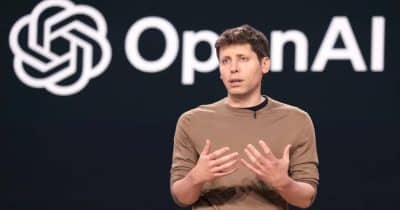
OpenAI has released unrestricted cybersecurity models that compete with Anthropic's offerings, potentially shifting market dynamics by prioritizing broader accessibility over regulatory constraints. The White House has remained silent on the development, suggesting a lack of immediate government intervention in the competitive AI security landscape.
OpenAI's decision to deploy cybersecurity models without restrictive guardrails represents a significant competitive positioning move against Anthropic, which has emphasized safety-first approaches in its AI development. This divergence reflects fundamental philosophical differences in how AI companies balance capability access with risk mitigation. The lack of White House commentary is noteworthy given ongoing discussions around AI governance and security standards, potentially indicating either tacit approval or regulatory uncertainty.
The broader context shows intensifying competition among AI labs to capture market share in enterprise security applications. Anthropic's Mythos model gained attention through careful deployment protocols, while OpenAI's less-restricted approach targets organizations prioritizing speed and flexibility over cautious implementation. This trend mirrors historical tech industry patterns where permissive licensing eventually dominates markets initially shaped by conservative alternatives.
For investors and developers, this signals potential pricing pressure and differentiation challenges in the cybersecurity AI sector. Organizations may gravitate toward OpenAI's models if they offer comparable performance without implementation friction, though regulatory risks remain undefined. Enterprise clients must evaluate whether unrestricted models increase vulnerability exposure or enhance threat detection capabilities.
The silence from regulatory bodies suggests policymakers are still formulating coherent AI governance frameworks. As market competition intensifies, companies choosing less-restricted deployment strategies may gain short-term advantages while accruing longer-term regulatory risk. Watch for government statements on AI safety standards and whether OpenAI faces pressure to implement additional safeguards, which could reshape competitive dynamics rapidly.
- →OpenAI's unrestricted cybersecurity models directly challenge Anthropic's safety-first approach to AI deployment
- →White House silence on the development suggests regulatory frameworks remain unclear for enterprise AI applications
- →Market access and implementation flexibility may favor OpenAI's approach over more cautiously-designed competitors
- →Enterprise adoption patterns will signal whether organizations prioritize capability breadth or risk mitigation protocols
- →Future regulatory action could rapidly shift competitive advantages between permissive and constrained AI development strategies