
OpenAI unveils GPT-5-class voice models for real-time orchestration
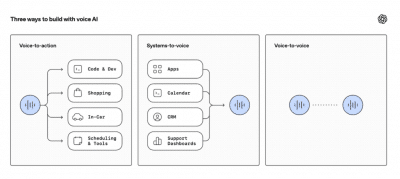
OpenAI has released GPT-5-class voice models designed for real-time orchestration, which could significantly impact cryptocurrency markets and decentralized computing infrastructure. The modular voice AI tools are positioned to drive innovation and investment in AI infrastructure sectors, with potential implications for how decentralized systems handle computational tasks.
OpenAI's introduction of GPT-5-class voice models represents a meaningful convergence of advanced AI capabilities with real-time processing requirements. Voice-based AI systems that can handle orchestration tasks in real time create new technical possibilities for automation and decision-making workflows that previously required human intervention or traditional software solutions. This release matters because it demonstrates AI vendors are moving beyond static text-based interfaces toward interactive, responsive systems that can manage complex operational tasks.
The timing reflects broader industry trends where AI capabilities are becoming increasingly practical for enterprise and infrastructure applications. As voice models mature and achieve GPT-5-class performance levels, they become viable candidates for integration into decentralized systems, blockchain infrastructure, and automated trading environments where real-time responsiveness directly impacts value. Prior development in natural language processing and voice recognition has been largely commoditized; the advancement to genuine real-time orchestration capability represents a qualitative step forward.
For cryptocurrency and decentralized computing markets, this development signals potential efficiency gains in protocol management, cross-chain coordination, and autonomous system oversight. Investors tracking AI infrastructure plays may view this as validation that voice-based AI can serve critical operational roles, potentially justifying higher valuations for AI compute providers and infrastructure projects. Developers building decentralized applications could leverage these models for user interfaces and automated decision-making layers.
Market participants should monitor whether crypto protocols and decentralized computing platforms integrate these voice models into their systems. The practical applications—whether in trading automation, protocol governance, or infrastructure management—will determine whether this announcement translates into sustained investment demand or remains primarily a technical achievement.
- →OpenAI's GPT-5-class voice models enable real-time orchestration capabilities previously unavailable in production systems.
- →Modular design suggests compatibility with decentralized infrastructure and crypto protocols requiring automated task management.
- →Real-time voice AI capabilities could streamline cross-chain coordination, trading automation, and protocol governance workflows.
- →The advancement validates voice-based AI as a viable interface for computational infrastructure beyond consumer applications.
- →Integration by major crypto and decentralized computing platforms will determine practical market impact and investment demand.