
PaiN Gaming’s Major campaign ends disappointingly at IEM Cologne 2026
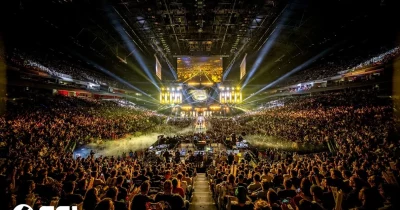
PaiN Gaming's disappointing performance at IEM Cologne 2026 underscores persistent challenges facing Brazilian CS2 teams in competing at the highest international levels. The organization's inconsistent results highlight structural obstacles in maintaining competitiveness within the global esports ecosystem.
PaiN Gaming's underwhelming campaign at IEM Cologne 2026 reveals systemic vulnerabilities in the Brazilian Counter-Strike 2 competitive landscape. The team's inconsistent performance against top-tier international opponents demonstrates that regional strength does not automatically translate to sustained global competitiveness. This outcome reflects a broader pattern where emerging esports regions struggle to maintain momentum when competing in marquee international tournaments dominated by established powerhouses from Europe and other developed markets.
Brazil has historically produced talented esports players and organizations, yet translating domestic success into consistent international results remains elusive. The IEM Cologne Major represents one of the most prestigious tournaments in competitive Counter-Strike, attracting the world's elite teams. PaiN Gaming's disappointing showing suggests that the gap between regional excellence and world-class performance continues to widen, potentially due to factors including training infrastructure, player acquisition costs, sponsorship availability, and ping-related disadvantages for South American competitors.
For the esports industry and cryptocurrency-adjacent gaming sponsors, this outcome carries implications for market investment decisions. Sponsorships of regional teams often depend on international visibility and success. PaiN Gaming's Major campaign failure may affect stakeholders' confidence in Brazilian CS2 organizations, potentially influencing funding allocation toward European and Asian competitors perceived as more reliably competitive.
Moving forward, Brazilian teams must address fundamental competitive gaps. Success requires either significant roster upgrades, enhanced coaching infrastructure, or strategic focus on specific tournament preparation rather than consistent international participation.
- →PaiN Gaming underperformed at IEM Cologne 2026, highlighting Brazilian CS2 teams' difficulty maintaining international competitiveness.
- →Regional esports success does not guarantee performance at marquee international tournaments with elite global competition.
- →Infrastructure, sponsorship, and ping disadvantages create structural barriers for South American esports organizations.
- →Poor Major campaign results may reduce investor confidence and sponsorship allocation toward Brazilian esports teams.
- →Brazilian CS2 organizations must invest in roster upgrades and coaching improvements to close competitive gaps with top regions.