
Pakistan launches deadly air strikes in Afghanistan, escalating tensions in 2026 conflict
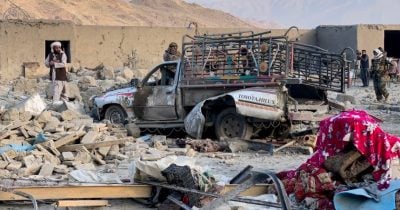
Pakistan has launched air strikes against targets in Afghanistan, escalating regional tensions in 2026. The military action disrupts trade corridors, displaces populations, and threatens economic stability across South Asia, with potential ripple effects on regional geopolitical dynamics and cryptocurrency markets dependent on cross-border transactions.
The Pakistan-Afghanistan military escalation represents a significant geopolitical flashpoint that extends beyond traditional security concerns into economic and financial systems. Pakistan's air strike campaign signals a breakdown in diplomatic channels and suggests renewed military posturing in a region already characterized by instability. This conflict carries immediate humanitarian consequences through population displacement and infrastructure damage, while simultaneously fragmenting established trade networks that span Central and South Asia.
Historically, Pakistan-Afghanistan tensions have cycled between periods of relative calm and acute conflict, often tied to cross-border militant activity and Taliban governance transitions. The 2026 escalation follows years of complicated power dynamics following the Taliban's return to power in 2021, suggesting unresolved border security issues and divergent strategic interests between the two nations remain unresolved.
For cryptocurrency and blockchain markets, regional conflicts create both headwinds and opportunities. Disrupted traditional banking and remittance channels may initially drive demand for decentralized financial solutions in affected areas, though broader market uncertainty typically produces downward price pressure. Investors should monitor how this conflict affects regional stablecoin adoption, cross-border payment infrastructure, and mining operations dependent on stable electricity grids in Pakistan.
Looking forward, the trajectory of diplomatic engagement matters critically. Sustained military escalation could trigger international intervention, sanctions, or broader South Asian destabilization. Crypto market participants should watch for sanctions announcements targeting financial entities and whether this pushes cryptocurrency adoption as an alternative to traditional banking in conflict-affected regions.
- →Pakistan-Afghanistan military escalation disrupts regional trade networks and threatens economic stability across South Asia.
- →Population displacement and infrastructure damage create humanitarian crises that may drive alternative financial system adoption.
- →Geopolitical uncertainty typically creates short-term downward pressure on cryptocurrency markets despite longer-term adoption opportunities.
- →Cross-border remittance channels face disruption, potentially increasing demand for blockchain-based payment solutions.
- →Future escalation or sanctions could reshape financial flows and crypto adoption patterns in Central and South Asia.