
Pakistan launches air strikes in Afghanistan, reigniting tensions across the region
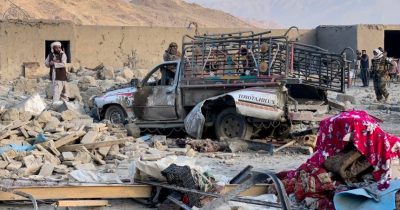
Pakistan conducted air strikes in Afghanistan, escalating regional tensions and raising concerns about destabilization. The conflict threatens to strain Pakistan's already fragile economy and disrupt cross-border financial flows, with potential ripple effects on regional cryptocurrency and remittance markets.
Pakistan's military action against targets in Afghanistan marks a significant escalation in South Asian geopolitical tensions. The strikes represent a shift in regional dynamics where Pakistan has moved from diplomatic engagement to direct military intervention, signaling deteriorating security conditions and potentially indicating failure of previous conflict resolution attempts. This escalation creates uncertainty that typically pressures developing economies and their financial systems.
The Pakistan-Afghanistan border region has historically experienced security challenges, but the resumption of active military operations suggests diplomatic channels have broken down. Cross-border tensions typically affect trade flows, remittance patterns, and capital movement in the region. For Pakistan's economy, already facing currency pressures and inflation, military engagement diverts resources and creates investor uncertainty, potentially weakening the Pakistani rupee and affecting outbound capital flows.
For the cryptocurrency and financial services ecosystem, regional instability matters significantly. Pakistan has seen growing crypto adoption as a hedge against currency devaluation and inflation, and Afghanistan remains an important remittance destination. Escalating tensions could disrupt informal financial networks and potentially increase demand for decentralized financial solutions as traditional banking becomes less reliable. However, they also create regulatory uncertainty as governments tighten capital controls during crises.
Investors should monitor whether the conflict expands or stabilizes in the coming weeks. Prolonged military operations would likely pressurize the Pakistani rupee further, potentially strengthening demand for cryptocurrency as a store of value while simultaneously prompting stricter government controls on crypto exchanges and remittances.
- →Pakistan's air strikes in Afghanistan signal escalation and potential breakdown of diplomatic efforts in the region.
- →Regional instability pressures Pakistan's economy and currency while creating uncertainty for cross-border financial flows.
- →Cryptocurrency adoption may increase as a hedge against currency devaluation, but regulatory crackdowns could follow.
- →Remittance corridors to Afghanistan face disruption, affecting informal financial networks throughout South Asia.
- →Prolonged conflict could trigger capital controls and capital flight from Pakistan, affecting emerging market asset prices.