
Iran hosts Pakistani delegation for US diplomatic talks
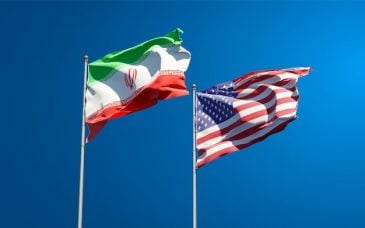
Pakistan is mediating diplomatic talks between the US and Iran, a development that could influence nuclear negotiations and affect market sentiment in cryptocurrency and broader financial sectors. The mediation effort signals potential progress in US-Iran relations after years of tension.
Pakistan's diplomatic intervention represents a significant shift in Middle Eastern geopolitics, particularly given Pakistan's historical relationships with both Washington and Tehran. This mediation role could facilitate back-channel communication that official channels have struggled to maintain, potentially reducing tensions that have periodically escalated into regional conflicts. The involvement of a third-party mediator often signals genuine willingness from both parties to explore negotiated solutions, which carries implications beyond traditional diplomacy.
The historical context involves decades of US-Iran hostility punctuated by the 2015 nuclear deal (JCPOA) and its subsequent US withdrawal in 2018. Pakistan's positioning as a neutral broker reflects its unique diplomatic standing—maintaining relationships across geopolitical divides without being perceived as overly aligned with either superpower. This mediation attempt occurs amid ongoing regional instability and international pressure regarding Iran's nuclear program.
For financial markets and cryptocurrency investors, reduced geopolitical tension typically correlates with lower volatility and reduced safe-haven asset demand. Oil markets respond significantly to US-Iran relations, and calmer diplomatic prospects could moderate crude prices. Cryptocurrency markets, increasingly sensitive to macroeconomic factors and geopolitical risk premiums, may experience reduced volatility if tensions ease. However, the cryptocurrency impact remains indirect—primarily through oil price moderation and broader risk sentiment rather than direct policy changes.
Observers should monitor whether these talks advance toward substantive agreements or remain symbolic gestures. Any breakthrough could reshape Middle Eastern energy markets and reduce the geopolitical risk premium currently embedded in global asset prices. Conversely, failed negotiations might trigger renewed tensions and increased volatility across multiple asset classes.
- →Pakistan's mediation role signals potential willingness from both US and Iran to pursue diplomatic solutions
- →Reduced geopolitical tension typically correlates with lower market volatility and decreased safe-haven asset demand
- →Oil market prices respond significantly to US-Iran diplomatic developments and could moderate if talks succeed
- →Cryptocurrency markets may experience reduced volatility if tensions ease, though the impact is indirect
- →Substantive progress in nuclear negotiations would reshape regional energy markets and global risk sentiment