
Pakistan, Iran discuss Islamabad talks amid US-Iran tensions
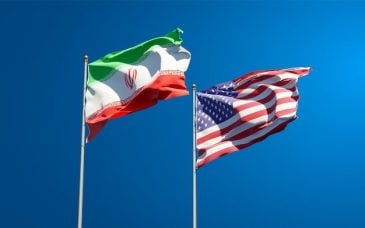
Pakistan is positioning itself as a potential mediator between the United States and Iran amid escalating tensions, a diplomatic development that could significantly reshape regional geopolitics. Market sentiment remains cautious due to uncertainty around the success and implications of such mediation efforts.
Pakistan's emerging role as a mediator in US-Iran relations represents a significant shift in regional diplomacy, with potential ripple effects across global markets. Historically, Pakistan has maintained complex relationships with both powers, and its attempt to facilitate dialogue addresses a critical geopolitical flashpoint that directly impacts energy markets, trade routes, and investor confidence in Middle Eastern stability.
The backdrop to these discussions involves ongoing US-Iran tensions centered on nuclear capabilities, sanctions regimes, and regional proxy conflicts. Pakistan's willingness to host talks suggests diplomatic channels remain open despite public hostilities, though successful mediation faces substantial obstacles given entrenched positions on both sides. Pakistan itself faces economic pressures and seeks to stabilize its western border, making conflict de-escalation strategically valuable.
For cryptocurrency and financial markets, geopolitical tensions typically create volatility through multiple channels: oil price fluctuations, safe-haven asset flows, and sanctions-related disruptions to capital movement. A successful mediation could reduce risk premiums currently priced into energy and emerging market assets. Conversely, failed negotiations or escalation would likely strengthen defensive positioning in cryptocurrencies and precious metals as investors hedge geopolitical risk.
Market participants should monitor whether these talks progress toward substantive negotiations or remain symbolic posturing. The cryptocurrency sector, sensitive to macro risk sentiment, may experience volatility around major diplomatic announcements. Additionally, any mediation success affecting global oil prices would indirectly influence inflation expectations and broader asset allocation strategies.
- →Pakistan is attempting to mediate US-Iran tensions, a development that could reshape Middle Eastern geopolitics and regional stability.
- →Successful mediation could reduce risk premiums in oil and emerging market assets, benefiting global sentiment.
- →Escalation or failed negotiations would likely strengthen safe-haven demand for cryptocurrencies and precious metals.
- →Energy market volatility stemming from geopolitical developments indirectly affects macro sentiment and cryptocurrency valuations.
- →Investors should monitor diplomatic progress as major announcements may trigger significant market moves across asset classes.