
Pakistan tanker exits Strait of Hormuz amid US-Iran tension easing
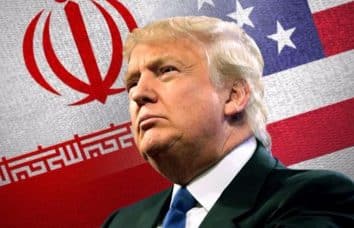
A Pakistani oil tanker has exited the Strait of Hormuz as US-Iran tensions show signs of easing. The de-escalation could stabilize the region and boost energy market confidence, though ongoing diplomatic negotiations remain uncertain.
The departure of a Pakistani tanker from the Strait of Hormuz signals a potential shift in geopolitical dynamics affecting global energy markets. This waterway, through which approximately 20% of global oil passes, has been a flashpoint for US-Iran confrontations. The easing of tensions reduces the risk of supply disruptions that could trigger volatile commodity price swings affecting broader markets, including cryptocurrency valuations tied to macroeconomic sentiment.
Historically, escalations in the Strait of Hormuz have triggered oil price spikes, creating uncertainty across risk assets. Previous tensions led to elevated energy costs, inflation concerns, and flight-to-safety behavior that either supported or undermined crypto markets depending on broader economic conditions. The recent de-escalation reflects diplomatic progress between Washington and Tehran, though underlying structural tensions persist. Regional stability in the Middle East directly impacts global oil markets, which in turn influences inflation expectations and central bank monetary policy—factors that ripple through cryptocurrency valuations.
For energy markets specifically, reduced geopolitical risk premiums could lower oil prices, easing inflationary pressures and potentially supporting risk-on sentiment. This environment typically favors growth assets and cryptocurrencies sensitive to macro conditions. However, the article notes that ongoing negotiations create persistent uncertainties, meaning markets remain vulnerable to sudden escalations.
Investors should monitor diplomatic developments closely, as any reversal in negotiations could quickly restore risk premiums to energy prices. The baseline scenario of continued easing supports a more stable macro environment where crypto markets can trade on fundamental developments rather than geopolitical shocks.
- →US-Iran tensions easing reduces supply disruption risks in the Strait of Hormuz, a critical global oil chokepoint
- →Lower geopolitical risk premiums on oil could ease inflation pressures and support risk-on market sentiment
- →Ongoing negotiations remain uncertain, meaning escalation risks persist despite current de-escalation signals
- →Energy market stability typically supports cryptocurrency valuations sensitive to macroeconomic conditions
- →Traders should monitor diplomatic developments as triggers for potential renewed volatility in commodities and crypto