
Anwar-ul-Haq sentenced to life for orchestrating daughter’s murder in Pakistan
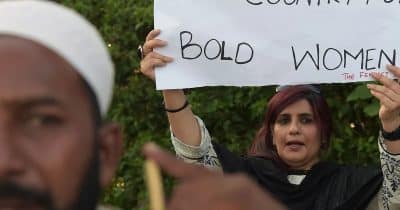
A Pakistani court has sentenced Anwar-ul-Haq to life imprisonment for orchestrating his daughter's murder, highlighting persistent honor-based violence issues in the country. The case underscores ongoing legal and cultural challenges in addressing such crimes, particularly affecting dual citizens.
This criminal case reflects systemic issues within Pakistan's legal system regarding honor-based violence, a persistent problem that intersects with cultural practices and judicial enforcement. The life sentence represents an effort by Pakistani courts to hold perpetrators accountable for orchestrated killings conducted under the guise of family honor. Such cases typically involve extended family networks and demonstrate how traditional cultural codes conflict with modern legal frameworks designed to protect individual rights.
The broader context shows Pakistan has made legislative progress, including the 2016 anti-honor killing laws, yet enforcement remains inconsistent across provincial jurisdictions. Dual citizens present particular complications, as cases involving internationally mobile individuals create jurisdictional challenges and enforcement gaps. This verdict signals increased judicial willingness to prosecute orchestrators rather than only direct perpetrators, a meaningful shift in addressing the structural nature of honor killings.
While this case has limited direct impact on cryptocurrency or financial markets, it reflects governance and rule-of-law concerns relevant to broader Pakistan-related investments. Institutional weakness in addressing fundamental human rights issues can correlate with regulatory uncertainty in fintech and cryptocurrency sectors. International investors assess jurisdictional risk partly through human rights records and legal consistency.
Looking forward, observers should monitor whether this sentencing establishes precedent for prosecuting orchestrators across other cases, particularly involving dual nationals. Strengthened enforcement could gradually improve Pakistan's governance indicators, potentially supporting long-term institutional confidence. The case also highlights ongoing pressure from international advocacy groups to enforce protections for vulnerable populations.
- →Pakistani court sentenced Anwar-ul-Haq to life for orchestrating his daughter's murder, demonstrating judicial action on honor-based violence
- →Case reflects tensions between traditional cultural practices and modern legal frameworks in Pakistan
- →Dual citizenship complications create enforcement challenges in international honor killing cases
- →Pakistan's 2016 anti-honor killing laws show legislative progress though implementation remains inconsistent
- →Verdict may establish precedent for prosecuting orchestrators rather than just direct perpetrators