
Bitcoin 'plebs eat first' mining pool Parasite finds its second BTC block
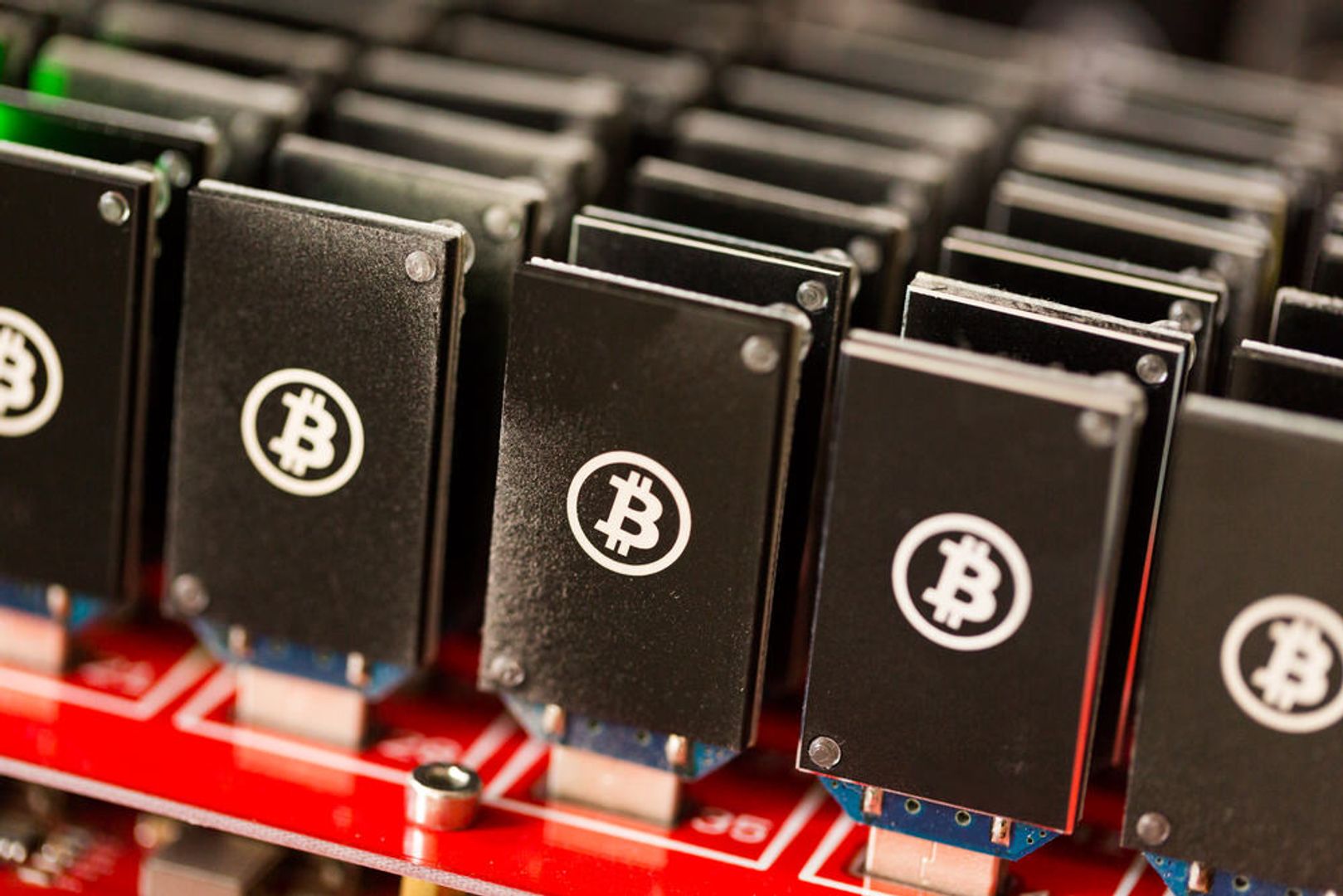
Parasite Pool, a Bitcoin mining pool that allocates 1 BTC to the block finder and distributes remaining rewards equally among participants, successfully mined its second block (945,601) approximately 48 days after its first. This demonstrates the viability of the 'plebs eat first' model that prioritizes equitable reward distribution over traditional mining hierarchy.
Parasite Pool's second block confirmation validates an alternative approach to Bitcoin mining economics that challenges conventional pool structures. Traditional mining pools concentrate rewards among operators and large stakeholders, while Parasite Pool implements a more egalitarian model where all participants receive equal shares of block rewards after allocating 1 BTC to the block finder. The 48-day interval between blocks two and one suggests the pool is accumulating meaningful hashrate, though still representing a fraction of total network capacity.
This development reflects broader sentiment within the Bitcoin community around decentralization and fair value distribution. Parasite Pool emerged as a response to concerns about mining centralization and the wealth concentration that occurs in traditional pool structures. The naming convention 'plebs eat first' directly challenges the hierarchical nature of existing pools where operators and large contributors disproportionately benefit.
The pool's growing participation indicates increasing user interest in alternative mining economics, particularly among smaller operators and retail miners who receive negligible rewards in conventional setups. Each new block mined strengthens the proof-of-concept for more equitable distribution models. However, the extended interval between blocks underscores that alternative pools face adoption headwinds competing against established players with massive hashrate advantages and operational maturity.
Observers should monitor whether Parasite Pool achieves sustainable growth and consistent block discovery rates. Success could inspire additional alternative pool designs, though network effects and miner inertia typically favor established pools. The experiment ultimately tests whether miners value egalitarian economics enough to accept longer block intervals and reduced operational stability.
- →Parasite Pool mined its second Bitcoin block after 48 days, demonstrating viability of its equitable reward-sharing model
- →The pool allocates 1 BTC to block finders and splits remaining rewards equally among all participants regardless of hashrate contribution
- →Alternative mining pools challenge traditional hierarchical structures that concentrate rewards among operators and major stakeholders
- →Growing interest in fair-distribution mining models reflects community concerns about Bitcoin mining centralization
- →Success of alternative pools depends on achieving critical hashrate mass while competing against entrenched players with operational advantages