
Trump declares Iran war ‘done’ as Pentagon seeks $88B in emergency funding
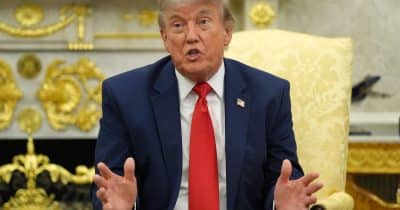
President Trump declares the Iran conflict concluded, while the Pentagon requests $88 billion in emergency funding for military replenishment and readiness. This shift from active combat to force rebuilding will reshape defense spending priorities and congressional budget allocation dynamics.
Trump's declaration that the Iran war is 'done' marks a significant pivot in U.S. military engagement, potentially signaling reduced immediate conflict escalation in the Middle East. The simultaneous Pentagon request for $88 billion in emergency funding indicates the military branch views this as an opportunity to modernize capabilities, replace depleted resources, and strengthen strategic readiness rather than as a sign of weakness. This represents a substantial fiscal commitment that will compete for congressional resources alongside other budgetary priorities.
Historically, periods following military operations have required substantial reinvestment to restore force readiness and equipment stockpiles. The specific $88 billion figure suggests Pentagon leadership has calculated precise gaps created by recent operations. This funding request arrives amid broader debates about defense spending levels and geopolitical priorities, with Congress facing pressure to balance military modernization against domestic needs.
For markets and investors, this development carries macroeconomic implications. Large defense appropriations typically flow to aerospace, technology, and manufacturing sectors, potentially supporting certain equity segments while increasing government debt issuance. Higher government spending and potential inflation from military procurement could influence Federal Reserve policy considerations and broader economic conditions that affect risk asset valuations, including cryptocurrency and technology stocks.
Market participants should monitor congressional response to the funding request, as approval timelines and debates may signal broader economic and geopolitical sentiment. The outcome will influence defense contractor valuations and potentially shape fiscal policy expectations that cascade through traditional and digital asset markets.
- →Pentagon seeks $88 billion in emergency funding following Trump's Iran war declaration, indicating substantial military replenishment needs
- →This spending request will create congressional budget dynamics and compete with other fiscal priorities for resources
- →Large defense appropriations flow primarily to aerospace and technology sectors, creating secondary market effects
- →Government debt issuance for military spending could influence inflation expectations and monetary policy decisions
- →Congressional approval timeline and debate intensity may signal broader geopolitical and fiscal sentiment