
Oil tankers reverse course in Persian Gulf amid Strait of Hormuz tensions
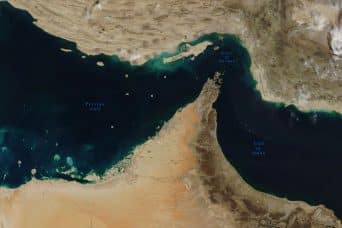
Oil tankers are reversing course in the Persian Gulf as tensions escalate around the Strait of Hormuz, signaling increased geopolitical risk that could disrupt global energy markets. Traders are positioning for either diplomatic resolution or further escalation, creating significant market volatility with implications for commodity prices and broader financial markets.
The reversal of oil tanker routes in the Persian Gulf represents a tangible market response to escalating geopolitical tensions in one of the world's most critical energy chokepoints. The Strait of Hormuz handles approximately 20-30% of globally traded petroleum, making any disruption a systemic risk event. When shipping routes shift, it signals that market participants perceive genuine danger, not mere rhetoric. This behavioral change reflects real hedging activity and risk reassessment rather than speculation alone.
Historically, Persian Gulf tensions have driven oil price volatility and triggered broader market corrections. The region has experienced recurring periods of heightened risk, from sanctions regimes to naval confrontations, each testing market resilience. Current tanker reversals echo similar patterns from previous escalation cycles, suggesting traders are applying lessons learned from past disruptions. The uncertainty between diplomatic resolution and further escalation creates asymmetric risk conditions that complicate price discovery.
For cryptocurrency and broader financial markets, elevated oil price volatility typically correlates with increased risk-off sentiment, potentially pressuring risk assets including crypto. Macro investors facing energy market uncertainty may reduce leveraged positions across asset classes. Oil price spikes trigger inflation concerns that affect monetary policy expectations, indirectly influencing crypto valuations through changes in real interest rate expectations. Energy-intensive sectors, including blockchain infrastructure and AI compute operations, face cost pressures if crude prices surge sustainably.
Market participants should monitor shipping insurance costs, tanker utilization rates, and official policy statements from regional actors. A sustained diversion of tanker routes would confirm market stress, while rapid normalization would suggest geopolitical de-escalation. Energy futures pricing and implied volatility indices will provide early signals of market conviction regarding resolution timelines.
- →Oil tanker route reversals indicate real market perception of Persian Gulf disruption risk, not theoretical geopolitical commentary.
- →The Strait of Hormuz handles 20-30% of global petroleum trade, making tensions there a systemic risk factor for energy and broader markets.
- →Elevated oil volatility historically correlates with risk-off sentiment that can pressure cryptocurrency and leveraged financial positions.
- →Market participants face asymmetric uncertainty between near-term de-escalation and potential sustained supply disruption scenarios.
- →Shipping insurance costs and tanker utilization patterns offer leading indicators of market stress severity before crude prices fully adjust.