
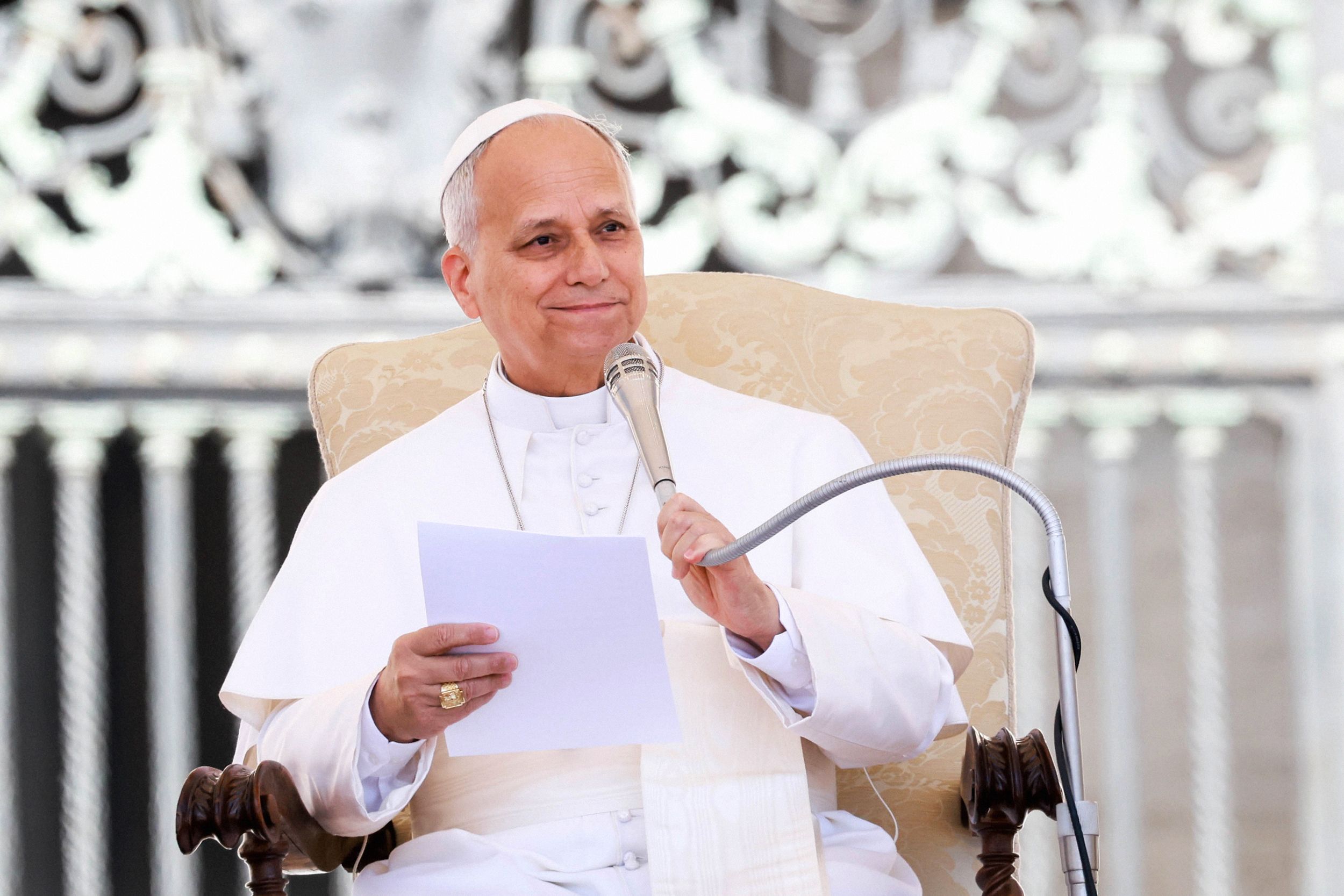
Pope Francis referenced The Lord of the Rings in his encyclical on artificial intelligence, inadvertently critiquing tech billionaires who misinterpret Tolkien's cautionary themes about power and corruption. The papal intervention highlights how the tech industry's leadership often misappropriates literary metaphors while ignoring their moral warnings.
Pope Francis's invocation of Tolkien in an official encyclical on AI represents a significant cultural moment where religious institutional authority intersects with popular literature to critique Silicon Valley's ideological narratives. The Pope's reference carries implicit weight because it demonstrates that tech industry leaders—many of whom invoke Tolkien's work—systematically misread or ignore the author's core message about the corrupting nature of unchecked power. Tolkien himself was deeply concerned with how tools and technologies amplify human greed and ambition rather than solving problems. The tech billionaire class frequently co-opts Tolkien's mythology while pursuing centralized control systems that directly contradict the author's philosophical framework.
This moment emerges from decades of tension between Silicon Valley's utopian narratives and legitimate concerns about AI's governance, concentration of power, and existential risks. The encyclical signals that mainstream institutions beyond tech circles and academic researchers are actively engaging with AI ethics discourse. The Pope's intervention carries cultural legitimacy that transcends typical policy critiques, potentially influencing how non-technical audiences perceive AI development and the credibility of those leading it.
For the AI and crypto sectors, papal critique carries reputational weight despite minimal direct market impact. It reinforces growing scrutiny of centralized AI development and aligns with broader questioning of whether tech billionaires understand the implications of their own creations. Investors should monitor whether such institutional skepticism influences regulatory positioning. The incident demonstrates that tech leadership's cultural and literary framings face credible counter-narratives, which could matter for long-term trust and policy formation affecting AI and decentralized technology adoption.
- →Pope Francis explicitly challenged tech billionaires' misinterpretation of Tolkien's warnings about power concentration and corruption.
- →The papal encyclical positions religious institutions as stakeholders in AI governance discourse alongside technologists and regulators.
- →Tech industry leaders frequently invoke Tolkien while building centralized systems that contradict the author's philosophical concerns about power.
- →Institutional skepticism from established authorities may influence long-term regulatory and public perception of AI development.
- →The incident highlights a cultural and narrative battle over AI's meaning and purpose beyond purely technical considerations.