
Why Jerome Powell refuses to leave the fed, even after Trump tried to force Him out
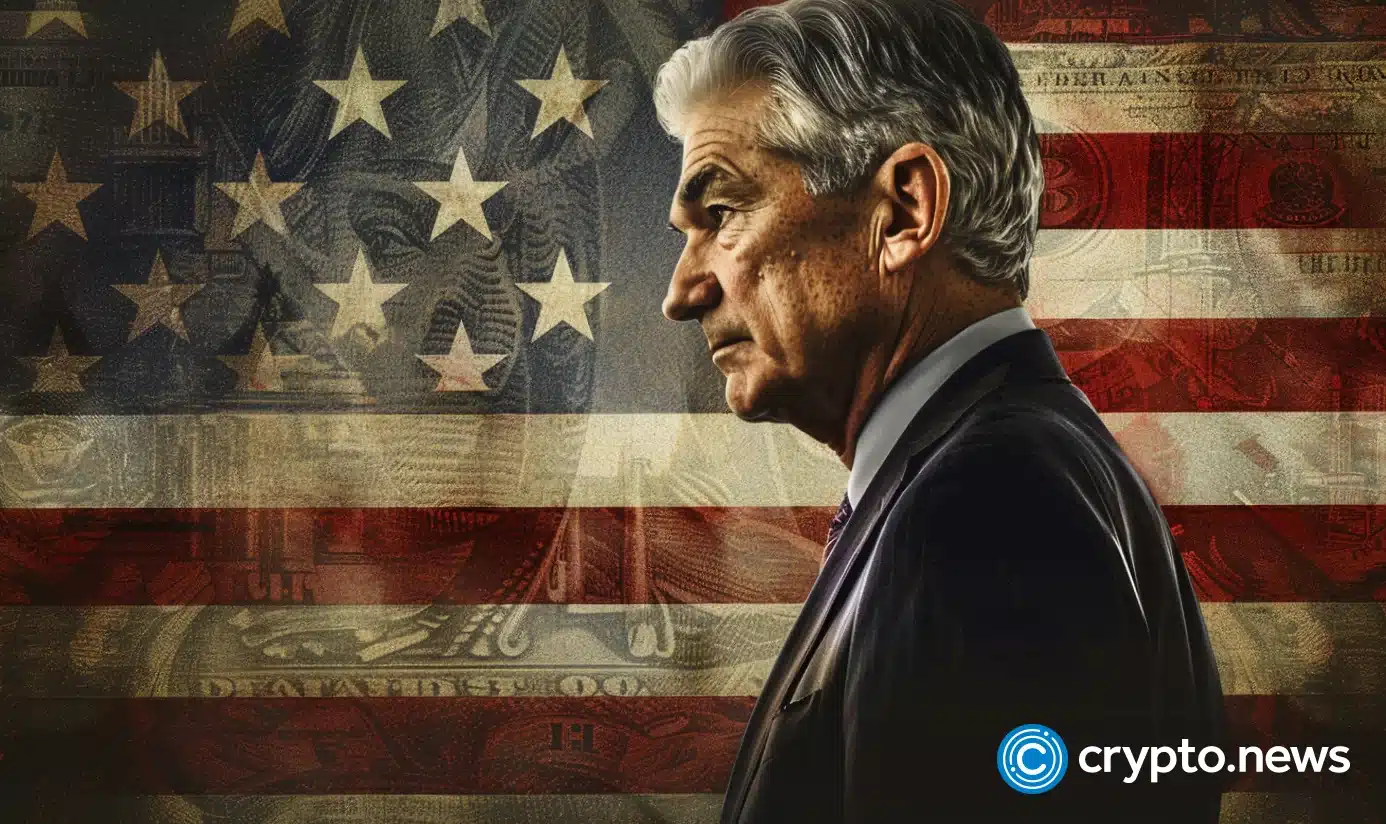
Federal Reserve Chair Jerome Powell announced he will remain on the Board of Governors past his May 15 departure date, citing Trump's legal challenges to the Fed as forcing his decision to stay. Powell's extended tenure signals institutional resistance to executive pressure and maintains continuity in monetary policy leadership during a period of political tension.
Powell's decision to extend his tenure represents a significant moment in the ongoing power struggle between the executive and the Federal Reserve's independence. By explicitly citing Trump's legal attacks as the reason for his stay, Powell is making a principled stand for institutional autonomy—a move that transcends typical monetary policy discussions and enters constitutional territory regarding governmental checks and balances.
Historically, the Fed has guarded its independence fiercely since its creation, but direct presidential pressure to remove leadership is relatively rare in modern times. Trump's previous attempts to influence Powell and the Fed's rate decisions set precedent for this conflict. Powell's decision to remain signals that the institution views external legal attacks as threats requiring a unified leadership response, suggesting the attacks may carry weight that warrants institutional defense.
For cryptocurrency and digital asset markets, Fed leadership stability matters considerably. Powell's continuation provides policy predictability at a time when crypto markets are sensitive to monetary policy shifts. However, the underlying political tension between the executive and Fed independence could complicate future policy decisions and create uncertainty about the Fed's ability to act independently on rate decisions—a concern that affects inflation expectations and asset valuations across markets.
Looking forward, investors should monitor whether additional legal challenges materialize and whether Powell's extended tenure influences future rate decisions. The institutional precedent set here may determine how future administrations interact with the Federal Reserve, potentially reshaping the relationship between executive power and central bank autonomy.
- →Powell explicitly cited Trump's legal attacks on the Fed as the reason for extending his tenure past May 15.
- →The decision reinforces the Federal Reserve's defense of its institutional independence against executive pressure.
- →Political tension between the executive and Fed creates uncertainty about future monetary policy autonomy and rate decisions.
- →Fed leadership continuity provides short-term stability for markets sensitive to policy shifts, including cryptocurrency markets.
- →This precedent may reshape how future administrations interact with the Federal Reserve's governance.