
Vladimir Putin proposes Iran and US store enriched uranium in Russia
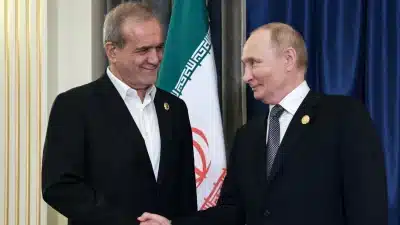
Vladimir Putin has proposed that Iran and the United States store enriched uranium in Russia, a move reflecting broader geopolitical tensions and Russia's attempt to position itself as a neutral intermediary in nuclear diplomacy. The proposal underscores the complex international dynamics surrounding nuclear materials and nuclear energy negotiations.
Putin's uranium storage proposal represents a strategic move by Russia to insert itself into ongoing nuclear negotiations between Western powers and Iran. By offering Russian territory as a neutral storage facility, Putin attempts to reposition Russia as an essential player in global nuclear diplomacy despite current geopolitical isolation. This proposal carries significant implications for international relations, particularly given the context of existing sanctions and tensions between Russia and Western nations.
Historically, international uranium storage arrangements have been proposed as confidence-building measures during nuclear negotiations. Russia has previously hosted similar arrangements, including the International Uranium Enrichment Center in Angarsk. The current proposal emerges amid deteriorating US-Russia relations and ongoing disputes over Iran's nuclear program, where trust between parties remains minimal.
For cryptocurrency and blockchain investors, geopolitical instability and nuclear tensions typically increase demand for alternative asset classes and decentralized financial systems as investors seek refuge from traditional markets and currency volatility. Heightened geopolitical risk generally correlates with increased institutional interest in non-correlated assets like Bitcoin and Ethereum. However, the proposal itself carries no direct impact on crypto markets or DeFi protocols.
Looking ahead, observers should monitor whether this proposal gains traction in diplomatic channels and how US and Iranian responses shape international relations. Further escalation or de-escalation in nuclear diplomacy will likely influence broader market sentiment toward safe-haven assets, including cryptocurrencies.
- →Putin proposes Russia as intermediary for uranium storage between Iran and the US, asserting geopolitical relevance
- →Proposal reflects deepening tensions and lack of trust in nuclear diplomacy between Western and Iranian parties
- →Russia's positioning as neutral arbiter contrasts sharply with its current international isolation and sanctions
- →Geopolitical instability typically drives demand for alternative assets including cryptocurrencies as safe havens
- →The proposal's diplomatic success remains uncertain given current international relations and historical precedents