
Putin dismisses Zelenskyy’s peace talks call, criticizes age remarks
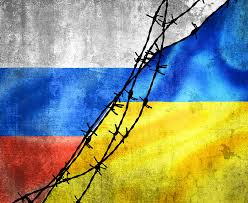
Russian President Putin rejected Ukrainian President Zelenskyy's calls for peace negotiations and criticized remarks about his age, signaling continued hardline positioning. Analysts warn this stance diminishes near-term peace prospects, prolonging geopolitical instability with ripple effects on global economic forecasts extending through 2026.
Putin's dismissal of peace talks represents a critical juncture in the Russia-Ukraine conflict that extends beyond military strategy into macroeconomic territory. The rejection signals continued commitment to conflict escalation rather than diplomatic resolution, directly impacting investor confidence in global stability metrics. Geopolitical tensions of this magnitude historically create market volatility across multiple asset classes, including cryptocurrencies, which serve as alternative stores of value during periods of heightened uncertainty.
The conflict has already disrupted energy markets, commodity supplies, and international trade flows since 2022. Putin's hardened stance suggests these disruptions will persist throughout 2025 and into 2026, affecting inflation forecasts, central bank policy decisions, and broader macroeconomic planning. For crypto markets specifically, prolonged geopolitical risk typically strengthens the narrative around decentralized, borderless financial systems as hedges against traditional market instability.
Investors face extended exposure to geopolitical risk premiums that could support alternative asset demand while simultaneously creating broader economic headwinds. Central banks navigating inflation persistence may adjust monetary policy in ways that indirectly affect cryptocurrency valuations. The extended timeline through 2026 suggests this remains a persistent structural factor rather than a near-term resolution event.
Market participants should monitor escalation indicators, sanctions developments, and energy market responses as leading indicators for broader risk-asset behavior. The rejection of peace talks eliminates a potential near-term relief catalyst that might have stabilized commodity prices and reduced safe-haven demand.
- →Putin's rejection of peace talks eliminates near-term diplomatic resolution prospects, extending geopolitical uncertainty through 2026.
- →Prolonged conflict sustains disruptions in energy, commodities, and international trade affecting macroeconomic forecasts.
- →Extended geopolitical risk premiums typically strengthen demand for decentralized financial alternatives like cryptocurrencies.
- →Central bank policy responses to persistent inflation from conflict-related disruptions may indirectly affect crypto valuations.
- →Investors should monitor escalation indicators and sanctions developments as leading signals for broader risk-asset behavior.