
Putin rebuffs European leaders on Ukraine talks, seeks Trump deal
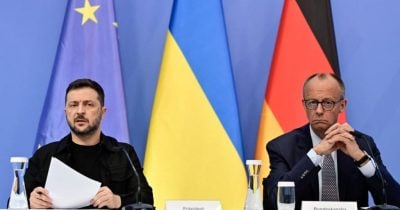
Putin has rejected European diplomatic overtures regarding Ukraine negotiations and is instead signaling openness to direct talks with the Trump administration, shifting the geopolitical landscape and potentially sidelining European influence in peace negotiations. This realignment could have ripple effects on sanctions regimes, energy markets, and investor sentiment toward risk assets.
Putin's diplomatic pivot toward the Trump administration while rebuffing European leaders represents a significant recalibration of negotiating dynamics around the Ukraine conflict. By publicly sidelining European intermediaries, Putin signals confidence in bilateral negotiations with the incoming U.S. administration, potentially believing Trump may be more receptive to Russian territorial or sanction-related concessions than European counterparts. This move consolidates decision-making power with Washington, diminishing the EU's role as a diplomatic force and undercutting the unified Western position that has defined post-2022 geopolitics.
The strategic repositioning reflects broader trends in U.S.-Europe relations, where differing threat perceptions and economic interests have created cracks in NATO cohesion. Russian strategy has consistently aimed to divide Western unity; this approach exploits existing transatlantic tensions and bet that Washington may prioritize pragmatism over solidarity.
For markets and cryptocurrency investors, geopolitical de-escalation scenarios typically reduce safe-haven flows toward defensive assets and can increase risk appetite. However, uncertainty around actual negotiation outcomes creates volatility. Energy markets face particular exposure—any easing of sanctions could increase Russian oil supply, pressuring energy prices upward and affecting inflation expectations. Crypto markets respond unpredictably to geopolitical shifts; risk-on sentiment could strengthen BTC and ETH while uncertainty lingers. Investors should monitor statements from the Trump transition team and any signals regarding sanctions policy changes.
Watching points include actual bilateral talks materializing, European responses to diplomatic sidelining, and whether sanctions frameworks remain intact or face erosion through U.S. policy shifts.
- →Putin rejected European peace mediators and positioned himself for direct negotiations with Trump administration officials
- →European diplomatic leverage over Ukraine negotiations has diminished significantly through strategic Russian repositioning
- →Potential sanctions relief negotiations could increase Russian commodity exports and impact global energy market dynamics
- →Geopolitical uncertainty may increase volatility in crypto markets, particularly affecting risk sentiment for Bitcoin and Ethereum
- →Trump administration policy signals on Russia and Ukraine will become critical market-moving indicators for 2025