
Putin plans May China visit as Trump confirms May 14-15 trip
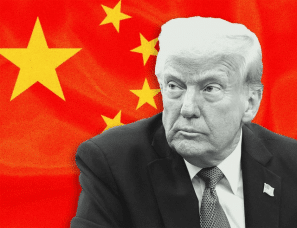
Putin and Trump are both planning visits to China in May, with Trump confirming dates of May 14-15. These concurrent high-level diplomatic missions underscore China's emerging role as a key geopolitical mediator amid rising US-Russia tensions.
The simultaneous scheduling of visits by both Putin and Trump to China in May represents a significant diplomatic development with potential macroeconomic implications. China's positioning as a destination for both leaders suggests Beijing is cultivating itself as a neutral negotiator in an increasingly bifurcated geopolitical landscape. This mirrors historical patterns where major powers seek dialogue through intermediaries during periods of heightened tension.
The broader context reflects escalating US-Russia relations, particularly following sanctions regimes and military aid discussions. Trump's May 14-15 visit timeline comes amid his return to political prominence and potential policy shifts toward international engagement. Putin's concurrent plans signal Russia's interest in maintaining economic and strategic partnerships with China, particularly as Western sanctions pressure increases.
For cryptocurrency and digital asset markets, geopolitical stability typically correlates with reduced volatility and risk-off sentiment. China's role as mediator could stabilize global markets if diplomatic breakthroughs occur, though negotiations could also impose new regulatory frameworks affecting crypto flows through Asian exchanges. Investors should monitor whether these visits produce bilateral agreements affecting technology transfers or digital asset policies.
Key developments to watch include the outcomes of these meetings, any joint statements on economic cooperation, and whether they establish frameworks for resolving US-Russia disputes. Market participants should assess whether successful mediation reduces geopolitical risk premiums embedded in asset prices, particularly affecting volatility indices and safe-haven demand for Bitcoin.
- →Putin and Trump both plan May visits to China, positioning Beijing as a critical geopolitical mediator.
- →Concurrent diplomatic missions suggest efforts to de-escalate US-Russia tensions through Chinese intermediation.
- →Geopolitical stability outcomes could reduce risk premiums affecting cryptocurrency market volatility.
- →Investors should monitor bilateral agreements for potential impacts on tech policy and digital asset regulation.
- →Successful diplomatic dialogue may strengthen risk-on sentiment across global markets.