
Qatar faces economic strain amid Iran war ceasefire, energy concerns persist
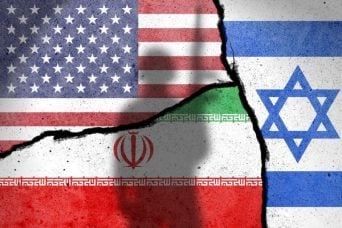
Qatar confronts economic pressures stemming from regional geopolitical tensions, including the Iran-related ceasefire and evolving energy market dynamics. The situation underscores the vulnerabilities of economies heavily dependent on energy exports, highlighting the urgent need for economic diversification strategies.
Qatar's economic challenges reflect broader vulnerabilities within energy-dependent Gulf economies facing shifting geopolitical landscapes. The ceasefire between Iran and regional powers creates uncertainty in energy markets, affecting pricing dynamics and investment flows that economies like Qatar rely upon. Energy exports traditionally account for the majority of Qatar's government revenue, leaving it exposed to both price volatility and supply disruptions triggered by regional instability.
Historically, Gulf economies experienced similar pressures during previous regional conflicts, yet many failed to implement sufficient diversification. Qatar has made investments in sovereign wealth funds and non-energy sectors, but these initiatives remain secondary to hydrocarbon revenues. The current situation accelerates existing concerns about long-term energy demand, particularly as global energy transitions accelerate and renewable alternatives gain traction.
For investors and market participants, this geopolitical uncertainty impacts commodity prices, currency stability, and regional asset valuations. Energy-dependent economies facing diversification challenges present both risks and opportunities—potential currency volatility affects trading pairs involving Gulf currencies, while reduced liquidity or capital flight could create market inefficiencies.
Looking forward, observers should monitor Qatar's fiscal policy responses, foreign direct investment inflows, and progress on non-energy sector development. The outcome will signal whether Gulf economies can successfully transition away from energy dependency before structural market changes force painful adjustments. Regional stability negotiations and OPEC+ decisions warrant close attention as primary factors affecting energy market sentiment.
- →Qatar's economy faces strain from geopolitical tensions and energy market uncertainty amid regional ceasefire developments.
- →Energy-dependent economies demonstrate structural vulnerability to geopolitical shocks and long-term demand transitions.
- →Successful economic diversification remains critical for Gulf states to maintain financial stability and investor confidence.
- →Regional instability directly impacts commodity pricing, currency values, and cross-border capital flows.
- →Market participants should monitor fiscal policy responses and non-energy sector investment progress as stability indicators.