
Reserve Bank of India holds rates at 5.25%, unveils measures to support falling rupee
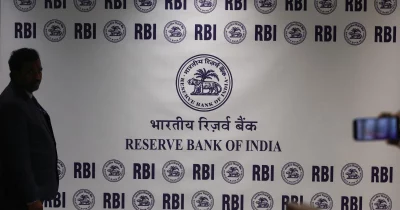
The Reserve Bank of India maintained its benchmark interest rate at 5.25% while implementing measures to support the weakening rupee. The RBI's actions aim to stabilize the currency short-term, but analysts warn that insufficient foreign capital inflows could erode market confidence and hinder India's economic growth trajectory.
The RBI's decision to hold rates signals a measured approach to monetary policy amid competing pressures from currency depreciation and economic stability. By maintaining the 5.25% rate rather than increasing it, the central bank avoids further tightening that could dampen growth, yet the accompanying rupee-support measures indicate concern about capital flight and currency weakness. This dual strategy reflects the delicate balancing act central banks face in emerging markets where inflation, growth, and currency stability often conflict.
India's rupee has faced persistent pressure from multiple headwinds: rising US interest rates attracting foreign investment away from emerging markets, geopolitical uncertainty, and inconsistent domestic economic performance. The RBI's unveiling of specific measures to support the rupee demonstrates proactive policy coordination, but their effectiveness depends heavily on external factors beyond Delhi's control. Without meaningful increases in foreign direct investment and portfolio inflows, even aggressive interventions may prove temporary.
For cryptocurrency markets and blockchain investors, rupee weakness traditionally correlates with increased crypto adoption in India as citizens seek alternative value stores. However, the RBI's demonstrated commitment to supporting the fiat currency could reduce immediate pressure for crypto alternatives. The broader implication affects India's fintech ecosystem and digital asset adoption rates—a resilient rupee may slow crypto penetration, while continued weakness could accelerate it.
Market participants should monitor foreign inflow data closely over coming quarters. If international capital continues deteriorating despite RBI efforts, the central bank may face pressure to raise rates significantly, which would increase borrowing costs across India's economy and impact growth-dependent sectors including tech and digital finance.
- →RBI held rates at 5.25% while implementing specific measures to stabilize the weakening rupee amid capital outflow pressures
- →Currency stability depends critically on foreign investment inflows, which remain uncertain in the current global environment
- →Rate stability supports economic growth but leaves limited policy tools if rupee weakness accelerates
- →Rupee depreciation typically increases cryptocurrency adoption in India as investors seek alternative stores of value
- →Monitor foreign direct investment data as a key indicator of RBI policy effectiveness in the coming months