
Beef prices reach record high as US herd remains small due to drought and cattle parasite
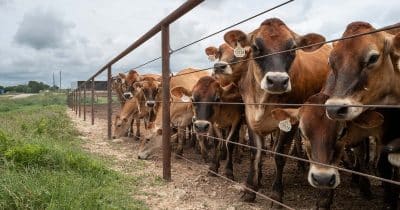
US beef prices have reached record highs as the national cattle herd remains depleted due to ongoing drought conditions and the spread of screwworm parasites. This supply constraint threatens to worsen food insecurity and economic strain, exposing critical vulnerabilities in agricultural supply chains.
Record beef prices reflect a fundamental supply shortage in the US cattle market, driven by two interconnected challenges: prolonged drought limiting pastureland and feed availability, and screwworm infestations reducing herd viability. These factors have compressed cattle populations to levels that cannot meet domestic demand, creating sustained pricing pressure across the beef sector.
The drought's impact on cattle ranching extends beyond immediate herd reduction. Ranchers face elevated feed costs and water scarcity, forcing difficult decisions about herd maintenance and breeding cycles. Screwworm parasites compound these challenges by causing disease and mortality, particularly in young calves, further constraining supply recovery timelines. These biological and environmental pressures suggest the shortage will persist through multiple production cycles.
Higher beef prices ripple through consumer food budgets and restaurant operations, affecting food inflation metrics that influence monetary policy decisions. Agricultural sector stress also signals broader commodity market volatility—when protein supplies tighten, consumers shift demand to alternative proteins or reduce consumption, reshaping food industry dynamics. Investors tracking inflation hedges and commodity exposure should monitor beef futures as an indicator of sustained agricultural supply constraints.
Recovery depends on weather pattern improvements and pest control measures that may require years to fully resolve. Policy responses around drought management and animal health intervention could accelerate herd rebuilding, but near-term prices likely remain elevated. The intersection of climate vulnerability and agricultural infrastructure gaps underscores systemic food security risks in developed economies.
- →US cattle herd depletion from drought and screwworm parasites has driven beef prices to record levels with no immediate recovery timeline
- →Supply constraints expose vulnerabilities in agricultural systems and threaten increased food insecurity across economic demographics
- →Elevated beef prices contribute to broader food inflation, impacting consumer budgets and influencing macroeconomic conditions
- →Herd recovery will require multiple production cycles due to breeding timelines and environmental restoration needs
- →Agricultural commodity stress serves as an early warning signal for systemic supply chain fragility in the food sector