
Romania closes Russian consulate in Constanța after drone strikes hit residential building
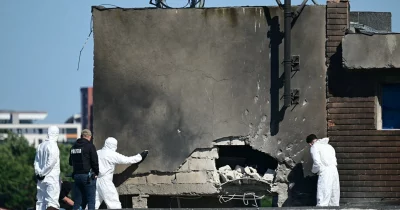
Romania closed its Russian consulate in Constanța following drone strikes that damaged a residential building, signaling escalating geopolitical tensions within NATO's eastern flank. The closure reflects broader diplomatic ruptures tied to regional conflicts and underscores NATO's hardening stance against Russian operations.
Romania's decision to close the Russian consulate in Constanța represents a significant escalation in NATO-Russia tensions, particularly as Eastern European members respond directly to military provocations. The closure follows drone strikes targeting civilian infrastructure, demonstrating how military incidents now trigger immediate diplomatic consequences. This action illustrates the interconnection between kinetic conflicts and institutional relationships within the Western alliance, where each escalation creates pressure for member states to demonstrate solidarity through concrete measures.
The broader context reveals a NATO increasingly unified against Russian aggression, with members strengthening borders, increasing defense spending, and reducing diplomatic ties. Romania, positioned strategically on the Black Sea, has become a focal point for this tension. The consulate closure represents not merely symbolic protest but functional disruption of Russian state operations in NATO territory. Such moves create cascading effects as other nations evaluate whether to adopt similar measures, potentially further isolating Russian institutions across Europe.
For markets, geopolitical fragmentation typically increases volatility and risk premiums across asset classes. Energy markets, particularly European natural gas, respond to escalating NATO-Russia tensions. Cryptocurrency markets exhibit heightened uncertainty during such periods, with investors seeking inflation hedges and non-correlated assets. The closure demonstrates how regional conflicts can intensify capital flight toward safe havens, affecting capital allocation across emerging and developed markets.
Looking forward, observers should monitor whether other NATO members follow Romania's lead and how Russia responds through countermeasures. The trajectory suggests continued diplomatic deterioration alongside military escalation, potentially affecting sanctions architecture and international financial systems integration.
- →Romania closed its Russian consulate in Constanța following drone strikes on civilian areas, marking direct diplomatic consequences for military escalation.
- →The closure reflects NATO's unified hardening stance against Russian operations across Eastern European members.
- →Geopolitical fragmentation typically increases volatility across energy, equities, and cryptocurrency markets.
- →Strategic positions like Romania's Black Sea location make consulate operations particularly sensitive during conflict periods.
- →Watch for cascading diplomatic responses from other NATO members and potential Russian countermeasures affecting international institutions.