
Rosatom reports Ukrainian drone strike on Zaporizhzhia nuclear plant
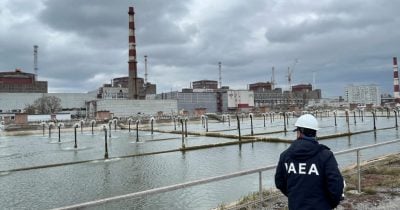
Rosatom reported a Ukrainian drone strike on the Zaporizhzhia nuclear plant, escalating military attacks on the facility and raising concerns about nuclear safety risks. The incident underscores the need for international intervention to prevent a potential nuclear crisis amid ongoing conflict.
The reported drone strike on Zaporizhzhia represents a significant escalation in direct military action targeting one of Europe's largest nuclear facilities. Located in Russian-controlled territory, the plant has become a flashpoint in the Ukraine-Russia conflict, with both sides accusing each other of endangering nuclear safety. Rosatom's public reporting of the attack signals concern about the facility's operational integrity and serves as a pressure mechanism for international involvement.
Historically, the Zaporizhzhia plant has faced repeated incidents since Russia's 2022 invasion, including shelling, power outages, and logistical disruptions. The facility's vulnerability stems from its geographic position near active conflict zones and the challenge of maintaining nuclear safety protocols during wartime. These recurring attacks follow a pattern of weaponized infrastructure targeting, where combatants strike civilian-critical installations to degrade opponent capabilities or force concessions.
For cryptocurrency and broader financial markets, nuclear incidents create macroeconomic uncertainty that typically benefits safe-haven assets like gold and Treasury bonds while pressuring risk assets. A major nuclear accident could trigger energy market disruptions, impact European energy prices, and influence broader geopolitical risk sentiment affecting crypto volatility.
Looking ahead, international monitoring bodies including the IAEA will likely intensify oversight efforts. The incident reinforces geopolitical risk premiums in energy and commodity markets. Sustained escalation at Zaporizhzhia could prompt new international sanctions frameworks or military interventions, both of which carry significant implications for global financial stability and cryptocurrency market sentiment.
- →Drone strikes on Zaporizhzhia nuclear plant escalate military risks to critical infrastructure during active conflict.
- →Nuclear safety incidents create macroeconomic uncertainty that typically pressures risk assets including cryptocurrencies.
- →International intervention and IAEA monitoring efforts likely to intensify in response to escalating attacks.
- →Sustained nuclear facility attacks could trigger new sanctions or military interventions affecting global financial markets.
- →Geopolitical risk premiums in energy markets influence cryptocurrency volatility and safe-haven asset demand.