
Marco Rubio rejects Hormuz tolls amid US-Iran deal talks
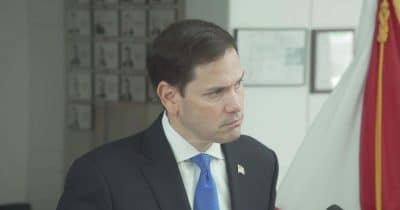
Marco Rubio has rejected proposals for Hormuz tolls during ongoing US-Iran negotiations, providing temporary stabilization to energy markets. However, unresolved diplomatic tensions continue to pose significant risks to global energy prices and market stability.
Marco Rubio's rejection of Hormuz toll proposals represents a significant diplomatic position that affects global energy markets and, by extension, cryptocurrency volatility. The Strait of Hormuz, through which approximately one-third of global seaborne oil passes, remains a critical chokepoint where geopolitical tensions directly translate to energy price fluctuations. Rubio's stance signals resistance to arrangements that could formalize Iranian control or revenue collection mechanisms in this strategic waterway, reflecting broader US policy toward Iran and regional stability.
The context involves protracted US-Iran negotiations that have created uncertainty in energy markets for years. Previous nuclear agreement attempts and subsequent withdrawals have established a pattern of volatility, with investors remaining cautious about any framework that could be reversed or renegotiated. Rubio's clear rejection provides temporary market clarity by ruling out one potential outcome, though it simultaneously indicates negotiations remain contentious and unpredictable.
For cryptocurrency markets, energy price stability directly impacts mining operations, which consume substantial electricity. Geopolitical events affecting oil prices typically cascade into broader macroeconomic uncertainty, influencing risk asset valuations including Bitcoin and altcoins. The Hormuz situation represents a latent tail risk—while currently stabilized by Rubio's position, renewed tensions could trigger energy spikes that ripple through energy-dependent sectors and crypto mining profitability.
Investors should monitor ongoing US-Iran diplomatic developments, as unexpected shifts could quickly reverse the temporary market stabilization Rubio's stance provides. The continued uncertainty suggests maintaining geopolitical risk hedges remains prudent for cryptocurrency portfolios exposed to energy-correlated volatility.
- →Rubio's rejection of Hormuz tolls provides short-term market stabilization but doesn't resolve underlying US-Iran tensions
- →The Strait of Hormuz's strategic importance means energy price volatility directly affects cryptocurrency mining costs and asset valuations
- →Unresolved diplomatic talks create persistent tail risks that could trigger sudden energy price spikes and market disruption
- →Cryptocurrency investors should monitor US-Iran negotiations as geopolitical escalation could impact mining profitability and risk asset prices
- →Energy market stability remains crucial for crypto sectors dependent on electricity-intensive operations