
Rubio, Witkoff meet Qatari PM in Miami to negotiate Iran deal
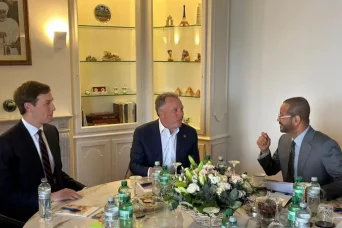
U.S. officials Marco Rubio and Steve Witkoff met with Qatar's Prime Minister in Miami to discuss Iran nuclear negotiations. The meeting highlights Qatar's critical role as a Middle East mediator and the ongoing diplomatic complexity surrounding regional tensions and U.S.-Iran relations.
The Miami meeting between senior U.S. officials and Qatar's leadership signals renewed diplomatic engagement on Iran policy, a cornerstone issue affecting Middle East stability. Qatar's position as a neutral intermediary in U.S.-Iran relations makes such high-level talks significant for advancing negotiations that have stalled in recent years. The choice of venue and participants suggests the incoming or current administration is prioritizing back-channel diplomacy over confrontational approaches.
Qatar has historically served as a crucial mediator in Middle East disputes, hosting both U.S. military installations and maintaining diplomatic channels with Iran. This dual role positions Doha as essential to any breakthrough on the nuclear deal or sanctions framework. Previous iterations of these negotiations have involved Qatari facilitation, establishing precedent for current efforts. The geopolitical landscape has shifted considerably since the 2015 JCPOA, with new regional alignments and security concerns reshaping negotiation parameters.
For cryptocurrency and blockchain markets, geopolitical developments affecting Middle East stability carry indirect but meaningful implications. Regional instability typically triggers risk-off sentiment, influencing capital flows toward safe-haven assets and potentially away from emerging market exposure. Conversely, diplomatic breakthroughs can ease sanctions regimes, opening economic opportunities and potentially expanding cryptocurrency adoption in affected regions. Energy markets tied to Middle East stability also indirectly impact crypto mining economics and investor sentiment.
Market participants should monitor developments in sanctions policy and diplomatic progress, as breakthroughs could reshape capital allocation patterns. Watch for statements regarding economic normalization and whether digital asset restrictions feature in any negotiated framework.
- →Qatar mediates U.S.-Iran negotiations in Miami, reinforcing its role as a pivotal Middle East diplomat
- →High-level engagement suggests renewed diplomatic priority over confrontational Iran policy approaches
- →Geopolitical developments affecting Middle East stability influence cryptocurrency market sentiment and capital flows
- →Potential sanctions modifications from successful negotiations could reshape digital asset regulations in affected regions
- →Energy market implications from regional stability affect cryptocurrency mining economics and investor confidence