
Rubio calls Strait of Hormuz an economic nuclear weapon amid Iran tensions
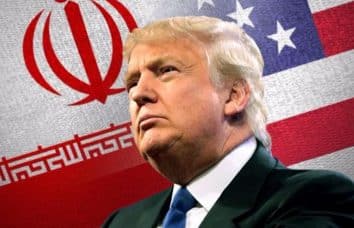
US Secretary of State Marco Rubio characterized the Strait of Hormuz as an 'economic nuclear weapon' during escalating US-Iran tensions, signaling heightened geopolitical risk that could disrupt global energy markets and cryptocurrency volatility.
Rubio's characterization of the Strait of Hormuz reflects intensifying US-Iran rhetoric that carries significant macroeconomic implications. The Strait remains one of the world's most critical chokepoints, with approximately 21% of global petroleum passing through its waters daily. When US officials frame strategic waterways as weapons, it signals potential escalation beyond diplomatic channels, raising the probability of supply disruptions or military confrontation.
US-Iran tensions have cyclically resurged since the 2018 withdrawal from the Joint Comprehensive Plan of Action (JCPOA). Previous confrontations, including the 2019 tanker attacks and 2020 Soleimani assassination, triggered temporary oil price spikes and increased safe-haven demand for assets like Bitcoin and gold. The current rhetoric suggests policymakers view economic leverage—including energy market disruption—as a negotiating tool, though whether this represents tactical posturing or genuine escalation remains unclear.
Cryptocurrency markets respond predictably to geopolitical risk. Energy price volatility correlates with broader inflation expectations, affecting real yields and risk appetite for digital assets. Additionally, potential sanctions on Iran could increase demand for decentralized financial alternatives and cross-border payment solutions within sanctioned entities. Conversely, recession fears from energy disruptions typically drive risk-off sentiment, pressuring crypto valuations.
Investors should monitor three indicators: oil price movements above $90/barrel, OPEC production statements, and any direct military incidents. Diplomatic progress or statements from Qatar or Oman (traditional mediators) would signal de-escalation. The market impact depends on whether Rubio's remarks represent policy positioning or forecast genuine US action within the next 90 days.
- →Rubio's 'economic nuclear weapon' framing suggests US views energy market disruption as leverage in Iran negotiations
- →The Strait of Hormuz handles 21% of global oil flows; supply disruptions would trigger broader inflation expectations and asset repricing
- →Historical US-Iran escalations correlate with Bitcoin and gold rallies as investors seek safe havens
- →Crypto markets face headwinds from recession risk but opportunities from sanctions-driven demand for decentralized finance
- →Market impact depends on distinguishing between rhetorical positioning and actionable military or economic threats