
Russia bans aviation fuel exports until November 30 amid domestic supply concerns
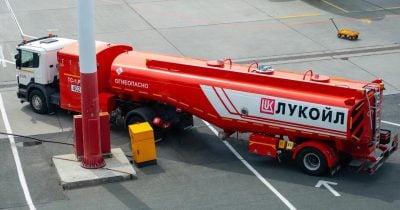
Russia has implemented an export ban on aviation fuel through November 30 due to domestic supply concerns, disrupting regional energy markets and aviation operations across Central Asia. The decision intensifies energy dependency issues in the region and creates uncertainty for investors exposed to regional equities and energy sectors.
Russia's aviation fuel export ban reflects mounting pressure on domestic energy supplies, likely driven by production constraints, military demands, or strategic reserves management. This unilateral trade restriction signals escalating concerns within Russia's energy sector and demonstrates how geopolitical tensions can rapidly reshape commodity markets and supply chains. The ban directly impacts Central Asian nations that have historically relied on Russian energy exports, forcing them to seek alternative suppliers at potentially higher costs and with longer lead times.
The broader context involves Russia's ongoing economic isolation due to international sanctions, which has strained its ability to maintain both domestic consumption and export obligations. Energy infrastructure damage and resource reallocation toward military needs have compressed available aviation fuel supplies. This pattern reflects deeper structural challenges in Russia's economy as it adapts to prolonged sanctions regimes.
For investors and market participants, the ban creates immediate ripple effects across aviation, logistics, and regional equity markets. Airlines operating in Central Asia face higher operating costs and potential capacity constraints. Energy sector investors tracking Russian commodity exposure face renewed volatility and unpredictability in supply decisions. The uncertainty extends to broader regional stability, as energy dependency often correlates with geopolitical leverage and potential future policy shifts.
Market observers should monitor whether Russia extends the ban beyond November 30, which would signal sustained supply pressures. Attention should also focus on how Central Asian nations respond through alternative supplier agreements or strategic reserves mobilization, as these responses could reshape regional energy partnerships and create new investment opportunities or risks.
- →Russia restricts aviation fuel exports until November 30, signaling domestic supply strain and potential military resource reallocation.
- →Central Asian nations face energy supply disruptions and increased dependency on alternative sources at higher costs.
- →Regional equity markets experience heightened uncertainty as investors reassess energy sector exposure and geopolitical risk.
- →The ban reflects broader economic pressures from international sanctions affecting Russia's production and export capacity.
- →Investors should monitor policy extension beyond November 30 as an indicator of structural energy sector challenges.